ROSEN, LEADING INVESTOR COUNSEL, Encourages Immutep Ltd. Investors to Secure Counsel Before Important Deadline in Securities Class Action – IMMP

NEW YORK, June 05, 2026 (GLOBE NEWSWIRE) —

WHY: Rosen Law Firm, a global investor rights law firm, reminds purchasers of American Depositary Receipts (“ADRs”) of Immutep Ltd. (NASDAQ: IMMP) between March 24, 2025 and March 12, 2026, inclusive (the “Class Period”), of the important July 6, 2026 lead plaintiff deadline.

SO WHAT: If you purchased Immutep ADRs during the Class Period you may be entitled to compensation without payment of any out of pocket fees or costs through a contingency fee arrangement.

WHAT TO DO NEXT: To join the Immutep class action, go to https://rosenlegal.com/submit-form/?case_id=56430 or call Phillip Kim, Esq. toll-free at 866-767-3653 or email [email protected] for information on the class action. A class action lawsuit has already been filed. If you wish to serve as lead plaintiff, you must move the Court no later than July 6, 2026. A lead plaintiff is a representative party acting on behalf of other class members in directing the litigation.

WHY ROSEN LAW: We encourage investors to select qualified counsel with a track record of success in leadership roles. Often, firms issuing notices do not have comparable experience, resources, or any meaningful peer recognition. Many of these firms do not actually litigate securities class actions, but are merely middlemen that refer clients or partner with law firms that actually litigate the cases. Be wise in selecting counsel. The Rosen Law Firm represents investors throughout the globe, concentrating its practice in securities class actions and shareholder derivative litigation. Rosen Law Firm has achieved, at that time, the largest ever securities class action settlement against a Chinese Company. Rosen Law Firm was Ranked No. 1 by ISS Securities Class Action Services for number of securities class action settlements in 2017. The firm has been ranked in the top 4 each year since 2013 and has recovered hundreds of millions of dollars for investors. In 2019 alone the firm secured over $438 million for investors. In 2020, founding partner Laurence Rosen was named by law360 as a Titan of Plaintiffs’ Bar. Many of the firm’s attorneys have been recognized by Lawdragon and Super Lawyers.

DETAILS OF THE CASE: According to the lawsuit, throughout the Class Period, defendants made false and/or misleading statements and/or concealed the status and prospects of the TACTI004 trial based on continuing positive efficacy and safety readouts of eftilagimod alfa’s (“efti”) performance in other trials, particularly following positive top-line results from Immutep’s prior TACTI-002 and INSIGHT-003 studies. Further, defendants announced in a Form-K filed with the Securities and Exchange Commission in January 30, 2026, that the trial was exhibiting “strong operational progress” and the planned interim futility analysis remained “on track for the first quarter of 2026.” In truth, Immutep were aware of or were reckless, based on their access to internal clinical data, analyses, and reports concerning the TACTI-004 trial and its planned interim futility evaluation, that then-existing information materially increased the risk that the study would fail to meet its primary efficacy and/or safety endpoints. When the true details entered the market, the lawsuit claims that investors suffered damages.

To join the Immutep class action, go to https://rosenlegal.com/submit-form/?case_id=56430 or call Phillip Kim, Esq. toll-free at 866-767-3653 or email [email protected] for information on the class action.

No Class Has Been Certified. Until a class is certified, you are not represented by counsel unless you retain one. You may select counsel of your choice. You may also remain an absent class member and do nothing at this point. An investor’s ability to share in any potential future recovery is not dependent upon serving as lead plaintiff.

Follow us for updates on LinkedIn: https://www.linkedin.com/company/the-rosen-law-firm, on Twitter: https://twitter.com/rosen_firm or on Facebook: https://www.facebook.com/rosenlawfirm/.

Attorney Advertising. Prior results do not guarantee a similar outcome.

——————————-

Contact Information:

        Laurence Rosen, Esq.
        Phillip Kim, Esq.
        The Rosen Law Firm, P.A.
        275 Madison Avenue, 40th Floor
        New York, NY 10016
        Tel: (212) 686-1060
        Toll Free: (866) 767-3653
        Fax: (212) 202-3827
        [email protected]
        www.rosenlegal.com


GLOBENEWSWIRE (Distribution ID 9732551)

Nyxoah Annonce la Fixation du Prix de l'Offre Publique Souscrite de 95 millions $

INFORMATIONS PRIVILÉGIÉES
INFORMATIONS RÉGLEMENTÉES

Nyxoah Annonce la Fixation du Prix de l'Offre Publique Souscrite de 95 millions $

Mont-Saint-Guibert, Belgique – 5 juin 2026, 17h25 CET / 11h25 ET – Nyxoah SA (Euronext Brussels/Nasdaq : NYXH) (« Nyxoah » ou la « Société »), une société de technologie médicale dédiée au développement de solutions innovantes pour le traitement de l'Apnée Obstructive du Sommeil (AOS), annonce aujourd'hui la fixation du prix d'une offre publique souscrite aux États-Unis qui pourrait inclure des actions vendues dans le cadre d'une offre privée à certains investisseurs qualifiés ou institutionnels en dehors des États-Unis, y compris au sein de l'Union européenne, de 55.232.558 de ses actions ordinaires au prix d'offre de 1,72 $ (1,48 EUR) par action, avant les réductions et commissions de souscription. Toutes les actions ordinaires sont offertes par Nyxoah et il n'y a pas d'actionnaires vendeurs dans l'offre. En outre, Nyxoah a accordé aux souscripteurs une option de 30 jours pour acquérir jusqu'à 8.284.883 actions ordinaires supplémentaires au prix d'offre, moins les réductions et les commissions de souscription. Le produit brut de l'offre, avant déduction des réductions et commissions de souscription et des autres frais d'offre payables par Nyxoah, devrait s'élever à environ 95 millions $ (approximativement 81,7 millions EUR), sans tenir compte de l'exercice éventuel de l'option d'achat d'actions supplémentaires par les souscripteurs. L'offre devrait être clôturée le ou aux alentours du 9 juin 2026, sous réserve de la satisfaction des conditions de clôture habituelles.

Nyxoah a l'intention d'utiliser le produit net de l'offre (i) pour le développement des activités de commercialisation aux États-Unis ; (ii) pour continuer à financer les activités de recherche et développement liées aux mises à niveau du système Genio, à la reconception de ses produits en vue de leur industrialisation et à des initiatives de réduction des coûts, et pour continuer à construire un pipeline de nouvelles technologies et explorer les opportunités de collaboration potentielles dans le domaine de la surveillance et du diagnostic d'AOS ; (iii) pour accélérer la commercialisation du système Genio sur ses marchés cibles initiaux en dehors des États-Unis, pour continuer à collecter des données cliniques et de soutenir des projets de recherche clinique à l'initiative des médecins relatifs aux traitements des patients atteints de l’AOS ; et (iv) à d'autres fins sociales générales, y compris, mais sans s'y limiter, le fonds de roulement, le remboursement de financements par emprunt, les dépenses en capital, les investissements, les acquisitions, si la Société choisit d'en poursuivre, et les collaborations. Au deuxième trimestre 2026, Nyxoah prévoit de prélever 13,8 millions EUR sur la deuxième tranche du prêt accordé à la Société par la Banque Européenne d’Investissement.

BofA Securities agit en tant que lead bookrunner pour l'offre. Bank Degroof Petercam SA/NV agit en tant que bookrunner additionnel, et B. Riley Securities agit en tant que co-manager pour l’offre.

L'offre publique aux États-Unis est réalisée en vertu d'une déclaration d'enregistrement préalable sur le formulaire F-3 (dossier n° 333-285982) qui a été déposée par Nyxoah auprès de la Securities and Exchange Commission des États-Unis (la “SEC”) et qui est entrée en vigueur le 1 avril 2025. Des copies du supplément au prospectus final et du prospectus d'accompagnement relatif à l'offre, lorsqu'ils seront disponibles, peuvent être obtenus gratuitement en consultant EDGAR sur le site web de la SEC à l'adresse www.sec.gov. Par ailleurs, des copies du supplément au prospectus final et du prospectus d’accompagnement relatif à l'offre, lorsqu’elles seront disponibles, peuvent être obtenues en contactant : BofA Securities, au 201 North Tryon Street, NC1-022-02-25, Charlotte, NC 28255-0001, attention : Prospectus Department, par e-mail à [email protected] ou par téléphone au 1-800-294-1322.

Ce communiqué de presse ne constitue pas une offre de vente ou la sollicitation d'une offre d'achat de ces titres, et il n'y aura pas de vente de ces titres dans un État ou une autre juridiction où une telle offre, sollicitation ou vente serait illégale avant l'enregistrement ou la qualification en vertu des lois sur les valeurs mobilières d'un tel État ou d'une telle autre juridiction.

À propos de Nyxoah

Nyxoah opère dans le secteur des technologies médicales. Elle se concentre sur le développement et la commercialisation de solutions innovantes destinées à traiter l’AOS. La principale solution de Nyxoah est le système Genio, une thérapie de neurostimulation du nerf hypoglosse sans sonde et sans batterie qui a reçu le marquage CE, centrée sur le patient et destinée à traiter le Syndrome d’Apnées Obstructives du Sommeil (SAOS), le trouble respiratoire du sommeil le plus courant au monde. Ce dernier est associé à un risque accru de mortalité et des comorbidités, dont les maladies cardiovasculaires. La vision de Nyxoah est que les patients souffrant de SAOS doivent pouvoir profiter de nuits réparatrices et vivre pleinement leur vie.

À la suite de la finalisation probante de l’étude BLAST OSA, le système Genio a reçu le marquage européen CE en 2019. Nyxoah a réalisé avec succès deux IPO : l’une sur Euronext Bruxelles en septembre 2020 et l’autre sur le NASDAQ en juillet 2021. Grâce aux résultats positifs de l'étude BETTER SLEEP, Nyxoah a reçu le marquage CE pour l’extension de ses indications thérapeutiques aux patients souffrant de collapsus concentrique complet (CCC), pour lesquels les thérapies concurrentes sont actuellement contre-indiquées. En outre, la Société a annoncé les résultats positifs de l'étude pivot DREAM IDE et l'obtention de l'autorisation de la FDA pour un sous-groupe de patients adultes atteints d'AOS modérée à sévère avec un IAH supérieur ou égal à 15 et inférieur ou égal à 65.

Attention – Marquage CE depuis 2019. Approuvé par la FDA en août 2025 en tant que dispositif disponible uniquement sur prescription médicale.

Informations complémentaires
Les informations suivantes sont fournies conformément à l'article 7:97 du Code belge des sociétés et des associations. Avant le lancement de l'offre, Robert Taub, représentant permanent de Robelga SRL, qui est le président du conseil d'administration, et Jürgen Hambrecht et Kevin Rakin, tous les deux des administrateurs indépendants, avaient exprimé leur intérêt à participer à l'offre et à potentiellement acheter (soit directement, soit par l'intermédiaire d'entités contrôlées/gérées par eux) des actions offertes, étant entendu que le nombre d'actions offertes leur étant attribuées (le cas échéant) et le prix applicable dépendraient de l'issue de la procédure d'offre.

Robert Taub, Jürgen Hambrecht et Kevin Rakin étant considérés comme une partie liée à la Société, le conseil d'administration a appliqué la procédure relative aux parties liées prévue à l'article 7:97 du Code belge des sociétés et des associations en ce qui concerne la participation de Robert Taub, Jürgen Hambrecht et Kevin Rakin (soit directement, soit par l'intermédiaire d'entités contrôlées/gérées par eux) à l'offre. Dans le cadre de la procédure susmentionnée, avant de se prononcer sur l'offre, un comité de trois administrateurs indépendants de la Société, composé de Rita Johnson-Mills, Virginia Kirby et Wildman Ventures, LLC, représentée par Daniel Wildman (le “Comité”) a émis un avis au conseil d'administration dans lequel le Comité évaluait la participation de Robert Taub, Jürgen Hambrecht et Kevin Rakin à l'offre. Dans son avis au conseil d'administration, le comité a conclu ce qui suit : “Sur la base des informations fournies, le Comité considère que la transaction proposée est en ligne avec la stratégie poursuivie par la Société, qu'elle sera réalisée aux conditions du marché et qu'il est peu probable qu'elle génère des inconvénients pour la Société et ses actionnaires (en termes de dilution) qui ne soient pas suffisamment compensés par les avantages que la transaction offre à la Société“.

En approuvant l'offre, le conseil d'administration de la Société ne s'est pas écarté de l'avis du Comité.

L'évaluation par le commissaire de la Société de l'avis du Comité et du procès-verbal de la réunion du conseil d'administration de la Société est la suivante : “Sur la base de notre évaluation, nous n’avons pas relevé de faits qui nous laissent à penser que les données financières et comptables incluses dans l'avis du comité d’administrateurs indépendants daté du 4 juin 2026 et dans le procès-verbal de l’organe d'administration daté du 4 juin 2026, justifiant la transaction proposée, ne sont pas fidèles et suffisantes dans tous leurs aspects significatifs au regard informations dont il disposait dans le cadre de sa mission“.

Informations importantes

Aucune offre publique ne sera faite et personne n'a pris de mesures qui permettraient ou viseraient à permettre une offre publique dans tout pays ou juridiction, autre que les États-Unis, où une telle mesure est requise, y compris en Belgique.

Ce communiqué ne constitue pas un prospectus au sens du Règlement (UE) 2017/1129 du Parlement européen et du Conseil du 14 juin 2027 concernant le prospectus à publier en cas d’offre au public de valeurs mobilières ou en vue de l’admission de valeurs mobilières à la négociation sur un marché réglementé (tel que modifié, le “Règlement Prospectus de l’UE”) et n’a été approuvé par aucune autorité réglementaire dans aucune juridiction. L’offre mentionnée dans le présent communiqué ne fera pas l’objet d’un prospectus approuvé par l’Autorité des services et marchés financiers (la “FSMA”). La Société établira et déposera auprès de la FSMA un document d'information relatif à l'admission à la cotation et à la négociation sur le marché réglementé d'Euronext à Bruxelles de 55.232.558 nouvelles actions ordinaires qui seront émises dans le cadre de l'offre, conformément à l’article 1(5)(ba)(iii) et l’Annexe IX du Règlement Prospectus de l’UE. Le document d’information sera établi en anglais et sera disponible via le lien suivant : https://investors.nyxoah.com/financials. Dans quelconque Etat membre de l’Espace économique européen (les “Etats Membres”), ce communiqué est exclusivement adressé à et destiné aux investisseurs qualifiés de cet Etat Membre au sens du Règlement Prospectus de l’UE.

En ce qui concerne tout Etat Membre, aucune mesure n’a été prise ou ne sera prise afin de permettre une offre de titres au public qui nécessiterait la publication d’un prospectus ou d’un document visé à l’Annexe IX dans un Etat Membre. En conséquence, les actions ordinaires de la Société ne peuvent être offertes ou vendues et ne seront offertes ou vendues dans tout Etat Membre (a) qu’à des investisseurs qualifiés au sens du Règlement Prospectus de l’UE ou (b) conformément aux autres exemptions prévues à l’article 1(4) du Règlement Prospectus de l’UE. Aux fins du présent paragraphe, l’expression “offre de titres au public” désigne une communication, sous quelque forme et par quelque moyen que ce soit, présentant des informations suffisantes sur les conditions de l’offre et les titres à offrir afin de permettre à un investisseur de décider d’acheter ou de souscrire les titres.

Au Royaume-Uni, l'opération à laquelle ce communiqué de presse se rapporte ne sera disponible que pour, et ne sera engagée qu'avec, des personnes qui sont des “investisseurs qualifiés” (tels que définis dans le paragraphe 15 de l’Annexe 1 des Public Offers and Admissions to Trading Regulations 2024), qui (i) ont également une expérience professionnelle en matière d'investissements au sens de l'article 19(5) du Financial Services and Markets Act 2000 (Financial Promotion) Order 2005, tel que modifié (l'”Ordre”), et/ou (ii) sont des “sociétés à valeur nette élevée” (ou des personnes auxquelles il peut être légalement communiqué) au sens de l'article 49(2) (a) à (d) de l'Ordre (toute personne de ce type étant désignée comme une “Personne Concernée”). Au Royaume-Uni, toute personne qui n'est pas une Personne Concernée ne doit pas prendre de mesures sur la base de cette annonce et ne doit pas agir ou s'appuyer sur celle-ci.

Déclarations prospectives

Le présent communiqué de presse contient des déclarations prospectives, qui sont faites conformément aux dispositions de la sphère de sécurité du Private Securities Litigation Reform Act de 1995. Toutes les déclarations qui ne sont pas des déclarations de faits historiques sont, ou peuvent être considérées comme, des déclarations prévisionnelles. Ces déclarations prospectives peuvent être identifiées par des mots tels que “s'attend à”, “potentiel”, “pourrait” ou des expressions similaires destinées à identifier les déclarations prospectives, bien que toutes les déclarations prospectives ne contiennent pas ces mots d'identification. Les déclarations prospectives reflètent les attentes actuelles de la Société ou, le cas échéant, de ses administrateurs ou de sa direction concernant le système Genio ; les études cliniques prévues et en cours sur le système Genio ; les avantages potentiels du système Genio ; les objectifs de Nyxoah en matière de développement, de parcours réglementaire et d'utilisation potentielle du système Genio ; la stratégie de commercialisation de la société et son entrée sur le marché américain ; les résultats d'exploitation, la situation financière, la liquidité, les performances, les perspectives, la croissance et les stratégies de la Société ; et les informations relatives à l'offre, notamment la date de clôture prévue, le produit escompté de l'offre et son affectation. De par leur nature, les déclarations prospectives comportent un certain nombre de risques, d'incertitudes, d'hypothèses et d'autres facteurs qui pourraient faire en sorte que les résultats ou événements réels diffèrent sensiblement de ceux exprimés ou sous-entendus dans les déclarations prospectives. Ces risques, incertitudes, hypothèses et facteurs pourraient avoir une incidence défavorable sur les résultats et les effets financiers des plans et événements décrits dans le présent document. En outre, ces risques et incertitudes comprennent, sans s'y limiter, les risques et incertitudes énoncés dans la section « Facteurs de risque » du rapport annuel de la société sur le formulaire 20-F pour l'exercice clos le 31 décembre 2025, déposé auprès de la SEC le 26 mars 2026, et dans les rapports ultérieurs que la Société dépose auprès de la SEC. Une multitude de facteurs, y compris, mais sans s'y limiter, les changements dans la demande, la concurrence et la technologie, peuvent faire en sorte que les événements, les performances ou les résultats réels diffèrent considérablement de toute évolution prévue. Les déclarations prospectives contenues dans le présent communiqué de presse concernant les tendances ou activités passées ne constituent pas des garanties de performances futures et ne doivent pas être interprétées comme une indication que ces tendances ou activités se poursuivront à l'avenir. En outre, même si les résultats ou développements réels sont conformes aux déclarations prospectives contenues dans le présent communiqué de presse, ces résultats ou développements ne sont pas nécessairement indicatifs des résultats ou développements futurs. Aucune déclaration ni garantie n'est faite quant à l'exactitude ou à l'équité de ces déclarations prospectives. Par conséquent, la Société décline expressément toute obligation ou engagement de publier des mises à jour ou des révisions des déclarations prospectives contenues dans le présent communiqué de presse à la suite d'un changement dans les attentes ou d'un changement dans les événements, les conditions, les hypothèses ou les circonstances sur lesquels ces déclarations prospectives sont fondées, sauf si la loi ou la réglementation l'exige expressément. Ni la Société, ni ses conseillers ou représentants, ni aucune de ses filiales, ni aucun des dirigeants ou employés de ces personnes ne garantissent que les hypothèses sous-jacentes à ces déclarations prospectives sont exemptes d'erreurs, et n'acceptent aucune responsabilité quant à l'exactitude future des déclarations prospectives contenues dans le présent communiqué de presse ou à la réalisation effective des développements prévus. Vous ne devez pas vous fier indûment aux déclarations prospectives, qui ne sont valables qu'à la date du présent communiqué de presse.
Contacts :
Nyxoah
John Landry, CFO

[email protected]

Rémi Renard
Head of Investor Relations & Corporate Communication
[email protected]

Pièce jointe


GLOBENEWSWIRE (Distribution ID 1001186142)

Nyxoah Announces Pricing of $95 Million Underwritten Public Offering

INSIDE INFORMATION

REGULATED INFORMATION

Nyxoah Announces Pricing of $95 Million Underwritten Public Offering

Mont-Saint-Guibert, Belgium – June 5, 2026, 5:25 pm CET / 11:25 am ET – Nyxoah SA (Euronext Brussels/Nasdaq: NYXH) (“Nyxoah” or the “Company”), a medical technology company focused on developing innovative solutions for Obstructive Sleep Apnea (OSA), today announced the pricing of an underwritten public offering in the United States, which includes shares sold in a private offering to certain qualified or institutional investors outside the United States, including within the European Union, of 55,232,558 of its ordinary shares at an offering price of $1.72 (EUR 1.48) per share, before underwriting discounts and commissions. All of the ordinary shares are being offered by Nyxoah and there are no selling shareholders participating in the offering. In addition, Nyxoah has granted the underwriters a 30-day option to purchase up to an additional 8,284,883 ordinary shares at the offering price, before underwriting discounts and commissions. The gross proceeds from the offering, before deducting underwriting discounts and commissions and other offering expenses payable by Nyxoah, are expected to be approximately $95 million (approximately EUR 81.7 million), excluding any exercise of the underwriters’ option to purchase additional shares. The offering is expected to close on or around June 9, 2026, subject to the satisfaction of customary closing conditions.

Nyxoah intends to use the net proceeds from the offering (i) for expanding commercialization activities in the United States; (ii) to further finance research and development activities related to Genio system upgrades, re-designing its products for manufacturability and cost reduction initiatives, and to continue to build a pipeline of new technologies and explore potential collaboration opportunities in the field of monitoring and diagnostics for OSA; (iii) to advance commercialization of the Genio system in its initial target markets outside of the United States and to continue gathering clinical data and to support physician initiated clinical research projects related to OSA patient treatments; and (iv) for other general corporate purposes, including, but not limited to, working capital, repayment of debt financing, capital expenditures, investments, acquisitions, should the Company choose to pursue any, and collaborations. In the second quarter of 2026, Nyxoah intends to draw EUR 13.8 million from the second tranche of the Company’s European Investment Bank loan.

BofA Securities is acting as the lead bookrunner for the offering. Bank Degroof Petercam SA/NV is acting as an additional bookrunner and B. Riley is acting as a co-manager for the offering.

The public offering in the United States is being made pursuant to an effective shelf registration statement on Form F-3 (File No. 333-285982) that was filed by Nyxoah with the U.S. Securities and Exchange Commission (the “SEC”) and became effective on April 1, 2025. Copies of the final prospectus supplement and the accompanying prospectus relating to the offering, when available, may be obtained for free by visiting EDGAR on the SEC’s website at www.sec.gov. Alternatively, copies of the final prospectus supplement and the accompanying prospectus relating to the offering, when available, may be obtained by contacting BofA Securities at 201 North Tryon Street, NC1-022-02-25, Charlotte, NC 28255-0001, Attention: Prospectus Department, at [email protected] or by telephone at 1-800-294-1322.

This press release shall not constitute an offer to sell or a solicitation of an offer to buy these securities, nor shall there be any sale of these securities in any state or other jurisdiction in which such offer, solicitation or sale would be unlawful prior to the registration or qualification under the securities laws of any such state or other jurisdiction.

About Nyxoah

Nyxoah is a medical technology company focused on the development and commercialization of innovative solutions to treat OSA. Nyxoah’s lead solution is the Genio system, a patient-centered, leadless and battery-free hypoglossal neurostimulation therapy for OSA, the world’s most common sleep disordered breathing condition that is associated with increased mortality risk and cardiovascular comorbidities. Nyxoah is driven by the vision that OSA patients should enjoy restful nights and feel enabled to live their life to its fullest.

Following the successful completion of the BLAST OSA study, the Genio system received its European CE Mark in 2019. Nyxoah completed two successful IPOs: on Euronext Brussels in September 2020 and NASDAQ in July 2021. Following the positive outcomes of the BETTER SLEEP study, Nyxoah received CE mark approval for the expansion of its therapeutic indications to Complete Concentric Collapse (CCC) patients, currently contraindicated in competitors’ therapy. Additionally, the Company announced positive outcomes from the DREAM IDE pivotal study and received approval from the FDA for a subset of adult patients with moderate to severe OSA with an AHI of greater than or equal to 15 and less than or equal to 65.

Caution – CE marked since 2019. FDA approved in August 2025 as prescription-only device.

Additional Information

The following information is provided pursuant to Article 7:97 of the Belgian Code on companies and associations. Prior to the launch of the offering, Robert Taub, permanent representative of Robelga SRL, who is the chairman of the board of directors, and Jürgen Hambrecht and Kevin Rakin, who are both independent directors, had expressed an interest to participate in the offering and potentially purchase (either directly or indirectly through entities controlled/managed by them or otherwise) offered shares, it being understood that the number of offered shares allocated to them (if any) and the applicable subscription price would depend on the outcome of the offering process.

As Robert Taub, Jürgen Hambrecht and Kevin Rakin qualify as a related party of the Company, the board of directors applied the related parties procedure of Article 7:97 of the Belgian Code on companies and associations in connection with the potential participation of Robert Taub, Jürgen Hambrecht and Kevin Rakin (either directly or indirectly through entities controlled/managed by them or otherwise) to the offering. Within the context of the aforementioned procedure, prior to resolving on the offering, a committee of three independent directors of the Company consisting of Rita Johnson-Mills, Virginia Kirby and Wildman Ventures, LLC, represented by Daniel Wildman (the “Committee”) issued an advice to the board of directors in which the Committee assessed the participation of Robert Taub, Jürgen Hambrecht and Kevin Rakin in the offering. In its advice to the board of directors, the Committee concluded the following: “Based on the information provided, the Committee considers that the proposed transaction is in line with the strategy pursued by the Company, will be done on market terms, and is unlikely to lead to disadvantages for the Company and its shareholders (in terms of dilution) that are not sufficiently compensated by the advantages that the transaction offers the Company”.

When approving the offering, the Company’s board of directors did not deviate from the Committee's advice.

The Company’s statutory auditor's assessment of the Committee's advice and the minutes of the meeting of the Company’s board of directors, is as follows: “Based on our assessment, we have not identified any facts that would cause us to believe that the financial and accounting information included in the advice of the committee of independent directors dated 4 June 2026 and in the minutes of the board of directors’ meeting dated 4 June 2026, justifying the proposed transaction, is not fairly presented and sufficient, in all material respects, in light of the information available to it in the performance of its mandate”.

Important Information

No public offering will be made and no one has taken any action that would, or is intended to, permit a public offering in any country or jurisdiction, other than the United States, where any such action is required, including in Belgium.

This announcement is not a prospectus for the purposes of Regulation (EU) 2017/1129 of the European Parliament and of the Council of June 14, 2017 on the prospectus to be published when securities are offered to the public or admitted to trading on a regulated market (as amended, the “EU Prospectus Regulation”) and has not been approved by any regulatory authority in any jurisdiction. The offering referred to in this announcement will not be subject to a prospectus approved by the Belgian Financial Services and Markets Authority (the “FSMA”). The Company will prepare and file with the FSMA an information document in relation to the admission to listing and trading on the regulated market of Euronext in Brussels of 55,232,558 new ordinary shares that will be issued in the offering in accordance with Article 1(5)(ba) (iii) and Annex IX of the EU Prospectus Regulation. The information document will be drawn up in English and will be made available through the following link: https://investors.nyxoah.com/financials. In any member state of the European Economic Area (the “Member States”), this communication is only addressed to and is only directed at qualified investors in that Member State within the meaning of the EU Prospectus Regulation.

With respect to any Member State, no action has been or will be taken in order to permit an offer of securities to the public which would require the publication of a prospectus or Annex IX document in any Member State. As a result, the ordinary shares of the Company can only be offered or sold and will only be offered or sold in any Member State (a) to qualified investors as defined in the EU Prospectus Regulation or (b) in accordance with the other exemptions set forth in Article 1(4) of the EU Prospectus Regulation. For the purposes of this paragraph, the expression “offer of securities to the public” means a communication, in any form and by any means presenting sufficient information on the terms of the offer and the securities to be offered so as to enable an investor to decide to purchase or subscribe for the securities.

In the United Kingdom, the transaction to which this press release relates will only be available to, and will only be engaged in with, persons who are “qualified investors” (as defined in paragraph 15 of Schedule 1 of the Public Offers and Admissions to Trading Regulations 2024) who also (i) have professional experience in matters relating to investments falling within Article 19(5) of the Financial Services and Markets Act 2000 (Financial Promotion) Order 2005, as amended (the “Order”), and/or (ii) are “high net worth companies” (or persons to whom it may otherwise be lawfully communicated) falling within Article 49(2) (a) to (d) of the Order (any such person being referred to as a “Relevant Person”). In the United Kingdom, any person who is not a Relevant Person should not take any action on the basis of this announcement and should not act or rely on it.

Forward-Looking Statements

This press release contains forward-looking statements, which are made pursuant to the safe harbor provisions of the Private Securities Litigation Reform Act of 1995. All statements that are not statements of historical facts are, or may be deemed to be, forward-looking statements. Such forward-looking statements may be identified by words such as “expects,” “potential,” “could,” or similar expressions that are intended to identify forward-looking statements, although not all forward-looking statements contain these identifying words. Forward-looking statements reflect the Company’s or, as appropriate, the Company directors’ or managements’ current expectations regarding the Genio® system; planned and ongoing clinical studies of the Genio® system; the potential advantages of the Genio® system; Nyxoah’s goals with respect to the development, regulatory pathway and potential use of the Genio® system; the Company’s commercialization strategy and entrance to the U.S. market; the Company's results of operations, financial condition, liquidity, performance, prospects, growth and strategies; and statements relating to the offering, including the expected closing, the anticipated proceeds from the offering and the use thereof. By their nature, forward-looking statements involve a number of risks, uncertainties, assumptions and other factors that could cause actual results or events to differ materially from those expressed or implied by the forward-looking statements. These risks, uncertainties, assumptions and factors could adversely affect the outcome and financial effects of the plans and events described herein. Additionally, these risks and uncertainties include, but are not limited to, the risks and uncertainties set forth in the “Risk Factors” section of the Company’s Annual Report on Form 20-F for the year ended December 31, 2025, filed with the SEC on March 26, 2026, and subsequent reports that the Company files with the SEC. A multitude of factors including, but not limited to, changes in demand, competition and technology, can cause actual events, performance or results to differ significantly from any anticipated development. Forward-looking statements contained in this press release regarding past trends or activities are not guarantees of future performance and should not be taken as a representation that such trends or activities will continue in the future. In addition, even if actual results or developments are consistent with the forward-looking statements contained in this press release, those results or developments may not be indicative of results or developments in future periods. No representations and warranties are made as to the accuracy or fairness of such forward-looking statements. As a result, the Company expressly disclaims any obligation or undertaking to release any updates or revisions to any forward-looking statements in this press release as a result of any change in expectations or any change in events, conditions, assumptions or circumstances on which these forward-looking statements are based, except if specifically required to do so by law or regulation. Neither the Company nor its advisers or representatives nor any of its subsidiary undertakings or any such person's officers or employees guarantees that the assumptions underlying such forward-looking statements are free from errors nor does either accept any responsibility for the future accuracy of the forward-looking statements contained in this press release or the actual occurrence of the forecasted developments. You should not place undue reliance on forward-looking statements, which speak only as of the date of this press release.

Contacts:
Nyxoah
John Landry, CFO
[email protected]

Rémi Renard
Head of Investor Relations & Corporate Communication
[email protected]

Attachment


GLOBENEWSWIRE (Distribution ID 1001186142)

Dmitry Shubov Consulting Shares Expert Perspective on Why First U.S. Customer Readiness Matters More in Southeast Asia’s Tighter 2026 Funding Climate

FREMONT, Calif., June 05, 2026 (GLOBE NEWSWIRE) — Dmitry Shubov Consulting is sharing an expert perspective on why Southeast Asian startups need to carefully think about what happens after they land a first U.S. customer, especially in a year when funding remains harder to win, and growth is under closer scrutiny. The recent perspective comes as Q1 2026 reporting from DealStreetAsia pointed to a still-selective startup funding environment across Southeast Asia, adding pressure on founders to show not just early traction, but a business that can actually build on it.

For many startups, a long stretch of outreach goes into getting that first “yes.” When the contract is signed, founders naturally think the hardest part is over. It isn't. The very next morning, the workload just changes shape. You aren't pitching anymore. Instead, the startup is suddenly dealing with messy onboarding steps and client questions it did not fully anticipate.

“Landing a first U.S. customer is a real milestone, but it also has a way of showing founders what still is not working as well as they thought,” said Dmitry Shubov, Founder of Dmitry Shubov Consulting. “You can prove there is interest in the business and still realize the contracts, internal process, or delivery side are not ready to support growth in a consistent way.”

That shift is a lot tougher when venture funding is hard to come by. In a tighter market, startups often have less room to absorb operational mistakes while trying to build on early traction. If a startup struggles to deliver for its first big client, it can lose its hard-earned momentum before it even has a chance to look for the next deal.

This is especially true in enterprise fields like legal tech, AI, SaaS, and fintech. Buyers in these industries expect a professional, organized experience right from the start. Being persistent and flexible can get a founder through a single pilot program, but that doesn't mean the company has a repeatable system in place. If keeping the client happy still depends entirely on the founder jumping in to solve every single problem, that approach can become difficult to sustain when the next few clients sign up.

With this perspective on current complexities, Dmitry Shubov Consulting is focusing on a part of international expansion that people rarely talk about during the initial sales push. Getting that first U.S. customer is great, but what happens next says a lot more about the long-term strength of the business. For startups trying to expand into the West this year, the real challenge isn't just getting someone to say yes—it's having a business model steady enough to support that win. Partnering with a consulting firm can be the best first step. Reach out to Dmitry Shubov Consulting for more information.

About Dmitry Shubov Consulting

At Dmitry Shubov Consulting, our mission is to connect accredited investors with groundbreaking legal technology startups, fostering innovation and growth across Southeast Asia and helping Asian businesses enter the U.S. market. For more information, please visit our website or contact us directly.

Media Contact:

[email protected]


GLOBENEWSWIRE (Distribution ID 9732289)

Bitget Launches Anti-Scam Month as Multi-Asset Fraud Loss Hits $442 B

VICTORIA, Seychelles, June 05, 2026 (GLOBE NEWSWIRE) — Bitget, the world's largest Universal Exchange (UEX), has launched Anti-Scam Month 2026, its annual global security initiative running throughout June under the theme “More Assets, Stronger Shield: Stay Safe in the Multi-Asset Era.” The initiative expands Bitget’s focus on user protection as digital finance enters a new phase where crypto, tokenized stocks, RWAs, AI-linked products, and broader multi-asset trading environments coexist within the same trading environment.

According to Interpol, financial scams tied to multi-asset markets resulted in more than $442 billion in losses globally in 2025, reflecting a sharp rise in fraud targeting digital asset users. As tokenized financial products continue entering mainstream trading environments, new vulnerabilities are emerging across crypto wallets, phishing systems, fake applications, AI-generated scams, and identity manipulation techniques built to target users operating across multiple asset classes.

Anti-Scam Month 2026 forms part of Bitget’s broader approach to user protection as the platform continues expanding access to crypto, tokenized stocks, commodities, forex, ETFs, and precious metals under its Universal Exchange model. The campaign is built around the idea that broader financial access must be matched by stronger awareness tools as trading behavior increasingly moves between traditional finance and crypto-native environments within the same platform.

“The financial system is becoming increasingly interconnected as users move across crypto, tokenized assets, commodities, and traditional financial markets within the same trading cycle,” said Gracy Chen, CEO at Bitget. “As market access expands, scam tactics are evolving just as quickly. Security today requires more than platform infrastructure. It also highly depends on helping users better recognize risk as financial activity becomes more multi-asset by design.”

Throughout June, Bitget will release a multi-part security article and video series covering common attack vectors including SMS spoofing, fake applications, phishing systems, malicious smart contracts, and high-risk token schemes. The content series will also examine emerging fraud patterns tied to artificial intelligence and tokenized real-world assets, two sectors increasingly attracting both institutional attention and scam activity as adoption accelerates. The final phase of the campaign will include the release of anti-scam reports focused on multi-asset trading and AI-related financial risks, co-authored with onchain security agencies, real-world asset institutions, and AI industry partners. Bitget will also host X Spaces bringing together security researchers, ecosystem contributors, and community participants for live discussions around emerging scam trends and risk mitigation strategies across digital finance.

The launch follows Bitget’s continued expansion of platform security measures, including proof of reserves, the Protection Fund, and wider user education initiatives designed to strengthen account safety and risk awareness. As digital assets increasingly intersect with traditional financial markets, platforms are facing growing expectations to combine broader market access with stronger safeguards for users navigating more complex financial environments.

For more information, visit: Bitget’s Anti-Scam Hub here.

About Bitget

Bitget is the world's largest Universal Exchange (UEX), serving over 125 million users and offering access to over 2M crypto tokens, 100+ tokenized stocks, ETFs, commodities, FX, and precious metals such as gold. The ecosystem is committed to helping users trade smarter with its AI agent, which co-pilots trade execution. Bitget is driving crypto adoption through strategic partnerships with LALIGA and MotoGP™. Aligned with its global impact strategy, Bitget has joined hands with UNICEF to support blockchain education for 1.1 million people by 2027. Bitget currently leads in the tokenized TradFi market, providing the industry's lowest fees and highest liquidity across 150 regions worldwide.

For more information, visit: Website | Twitter | Telegram | LinkedIn | Discord

For media inquiries, please contact: [email protected]

Risk Warning: Digital asset prices are subject to fluctuation and may experience significant volatility. Investors are advised to only allocate funds they can afford to lose. The value of any investment may be impacted, and there is a possibility that financial objectives may not be met, nor the principal investment recovered. Independent financial advice should always be sought, and personal financial experience and standing carefully considered. Past performance is not a reliable indicator of future results. Bitget accepts no liability for any potential losses incurred. Nothing contained herein should be construed as financial advice. For further information, please refer to our Terms of Use.

A photo accompanying this announcement is available at https://www.globenewswire.com/NewsRoom/AttachmentNg/85ad0e1e-9e55-4e7b-a0ae-b3e34823df53


GLOBENEWSWIRE (Distribution ID 1001185625)

Bitget lance le Mois de la lutte contre la fraude alors que les pertes associées atteignent 442 milliards de dollars

VICTORIA, Seychelles, 05 juin 2026 (GLOBE NEWSWIRE) — Bitget, la plus grande bourse universelle (UEX) au monde, a lancé le Mois de la lutte contre la fraude 2026, sa campagne mondiale annuelle de sécurité qui se déroule tout au long du mois de juin sous le thème « Plus d’actifs, plus de protection : assurez votre sécurité à l’ère des investissements multi-actifs ». Cette initiative renforce l’engagement de Bitget en faveur de la protection des utilisateurs, alors que la finance numérique entre dans une nouvelle phase où les cryptomonnaies, les actions tokenisées, les actifs réels, les produits liés à l’IA et des environnements de trading multi-actifs plus larges coexistent au sein d’un même écosystème de trading.

Selon Interpol, les arnaques financières liées aux marchés multi-actifs ont entraîné plus de 442 milliards de dollars de pertes à l’échelle mondiale en 2025, reflétant une forte augmentation des fraudes visant les utilisateurs d’actifs numériques. Alors que les produits financiers tokenisés continuent de s’imposer dans les environnements de trading traditionnels, de nouvelles vulnérabilités apparaissent dans les portefeuilles crypto, et les systèmes de phishing, les fausses applications, les escroqueries générées par l’IA et les techniques de manipulation d’identité ciblent les utilisateurs intervenant sur plusieurs classes d’actifs.

Le Mois de la lutte contre la fraude 2026 s’inscrit dans le cadre de la stratégie globale de Bitget en matière de protection des utilisateurs, tandis que la plateforme continue d’élargir l’accès aux cryptomonnaies, aux actions tokenisées, aux matières premières, au marché des changes, aux ETF et aux métaux précieux suivant son modèle de bourse universelle. Cette campagne repose sur l’idée qu’un accès financier élargi doit s’accompagner d’outils de sensibilisation plus efficaces, car les comportements de trading alternent de plus en plus entre la finance traditionnelle et les environnements natifs de la cryptomonnaie au sein d’une même plateforme.

« Le système financier est de plus en plus interconnecté, et les utilisateurs passent des cryptomonnaies aux actifs tokenisés, aux matières premières et aux marchés financiers traditionnels au cours d’un même cycle de trading », constate Gracy Chen, PDG de Bitget. « L’expansion de l’accès aux marchés s’accompagne d’une évolution tout aussi rapide des techniques d’escroquerie. La sécurité aujourd’hui ne repose plus uniquement sur l’infrastructure des plateformes. Elle dépend également fortement de la capacité à aider les utilisateurs à mieux identifier les risques dans un contexte où l’activité financière s’oriente de plus en plus vers une approche multi-actifs. »

Tout au long du mois de juin, Bitget publiera une série d’articles et de vidéos consacrés à la sécurité, qui aborderont les moyens d’attaque courants, notamment l’usurpation de SMS, les fausses applications, les systèmes de phishing, les contrats intelligents malveillants et les stratagèmes liés aux tokens à haut risque. Cette série examinera également les nouvelles formes de fraude liées à l’intelligence artificielle et aux actifs réels tokenisés, deux secteurs qui attirent à la fois l’attention des institutions et les activités frauduleuses avec l’accélération de leur adoption. La phase finale de la campagne comprendra la publication de rapports sur la lutte contre la fraude, axés sur le trading multi-actifs et les risques financiers liés à l’IA, rédigés en collaboration avec des agences de sécurité on-chain, des institutions spécialisées dans les actifs réels et des partenaires du secteur de l’IA. Bitget organisera également des discussions en direct sur X, qui réuniront des chercheurs en sécurité, des contributeurs de l’écosystème et des membres de la communauté afin d’échanger sur les nouvelles tendances en matière de fraude et les stratégies d’atténuation des risques dans le domaine de la finance numérique.

Ce lancement s’inscrit dans le cadre de l’expansion continue des mesures de sécurité de la plateforme Bitget, notamment la preuve des réserves, le Fonds de protection et des initiatives plus larges de sensibilisation des utilisateurs visant à renforcer la sécurité des comptes et la prise de conscience des risques. Avec la convergence croissante des actifs numériques et des marchés financiers traditionnels, les plateformes sont confrontées à des attentes de plus en plus élevées : elles doivent concilier un accès élargi au marché avec des mesures de protection renforcées pour les utilisateurs évoluant dans des environnements financiers plus complexes.

Pour en savoir plus, consultez le site Anti-Scam Hub de Bitget ici.

À propos de Bitget

Bitget est la première bourse universelle (UEX) du monde. Au service de plus de 125 millions d’utilisateurs, elle donne accès à plus de 2 millions de jetons crypto et à plus de 100 actions tokenisées, ETF, matières premières, devises et métaux précieux comme l’or. L’écosystème s’engage à aider les utilisateurs à trader plus intelligemment grâce à son agent IA qui copilote l’exécution des transactions. Bitget entend promouvoir l’adoption des cryptomonnaies grâce à des partenariats stratégiques conclus avec LALIGA et MotoGP™. Dans le cadre de sa stratégie d’impact mondial, Bitget s’est associé à l’UNICEF pour soutenir l’éducation à la blockchain auprès de 1,1 million de personnes d’ici 2027. Actuellement leader sur le marché de la finance traditionnelle tokenisée, Bitget offre les frais les plus bas du secteur et la liquidité la plus élevée dans plus de 150 régions à travers le monde.

Pour tout complément d’information, veuillez consulter : Site Internet | Twitter | Telegram | LinkedIn | Discord

Pour les demandes médias, veuillez contacter : [email protected]

Mise en garde sur les risques : les cours des actifs numériques peuvent fluctuer et connaître une forte volatilité. Il est conseillé aux investisseurs de n’engager que les fonds qu’ils peuvent se permettre de perdre. La valeur de votre investissement peut être affectée et il est possible que vous n’atteigniez pas vos objectifs financiers ou que vous ne parveniez pas à récupérer votre investissement principal. Nous vous encourageons à toujours solliciter les conseils d’un spécialiste financier indépendant et à tenir compte de votre expérience et de votre situation financière personnelles. Les performances passées ne constituent pas un indicateur fiable des résultats futurs. Bitget décline toute responsabilité en cas de pertes potentielles encourues. Les informations figurant dans le présent communiqué ne constituent en aucun cas un conseil financier. Pour tout complément d’information, consultez nos Conditions d’utilisation.

Une photo accompagnant cette annonce est disponible à l’adresse suivante : http://www.globenewswire.com/NewsRoom/AttachmentNg/85ad0e1e-9e55-4e7b-a0ae-b3e34823df53


GLOBENEWSWIRE (Distribution ID 1001185887)

CBAK Energy Concludes Autoexpo Kenya 2026, Highlighting Cylindrical LFP Battery Solutions for Africa’s E-Mobility Market

NAIROBI, Kenya, June 05, 2026 (GLOBE NEWSWIRE) — CBAK Energy Technology, Inc. (NASDAQ: CBAT) (“CBAK Energy”, or the “Company”), a leading lithium-ion battery manufacturer and electric energy solution provider in China, successfully concluded its participation in the 27th Autoexpo Kenya 2026. At Booth 136A, the Company showcased its cylindrical cell portfolio for Africa’s growing E2W/E3W, battery-swapping, and light electric mobility markets, including the 32140 and 40135 full-tab large cylindrical LFP cells, 32140-based sodium-ion battery solutions, and 26 series cells such as 26650 and 26700 for tailored application requirements.

As highlighted during the exhibition, supported by Kenya’s more than 2 million commercial “boda-boda” riders and the potential for significant operating cost savings compared with fuel-powered motorcycles, Africa’s e-mobility market is gaining momentum. To scale in local operating conditions, fleets require batteries that can perform reliably under heat, rough roads, heavy payloads, and high-frequency daily use. These requirements align closely with the design strengths of CBAK Energy’s flagship 32140 FS series, which features long cycle life, ultra-low internal resistance, and rugged reliability, with over 77 million units sold globally as of May 2026, and the Company expects continued demand for the series.

The 32140 FS addresses three core needs of African e-moto operators:

Swapping-Ready Power and Operational Uptime: The 32140 FS cell combines a highly consistent cylindrical format with full-tab technology and ultra-low internal resistance of approximately 1.3mΩ. This design helps improve current distribution, reduce heat generation, and support 2C fast charging and 3C continuous discharging for stable power output across demanding use cases such as passenger transport, cargo delivery, hill climbing, and frequent start-stop riding. Its consistency and cylindrical structure also make it suitable for modular battery pack design, supporting high-frequency battery-swapping operations where uptime and quick turnaround are critical to rider income and fleet efficiency.

The CBAK Energy team introduces cylindrical battery solutions to local partners.

Lifecycle Value and Lower Operating Costs: Powered by advanced nano-LFP and small-particle graphite material technologies, CBAK Energy’s 32140 FS cell offers a longer cycle-life profile than many conventional ternary lithium cells. When supported by intelligent BMS management, the cell is designed to enable long-term operation while helping maintain stable range performance over time. For Africa’s high-frequency commercial motorcycle riders and fleet operators, this longer service life can help reduce battery replacement frequency, lower maintenance pressure, and reduce total cost of ownership. The value proposition drew interest from local fleet operators seeking more durable and commercially viable battery solutions.

Attendees show strong interest in our market-proven cells designed for Africa's e-mobility market.

Safety and Rugged Reliability for Local Conditions: Built with inherently stable LFP chemistry and a rigid steel shell structure, the 32140 FS cell is designed to support reliable operation in demanding environments, including hot climates, centralized charging and storage, rough roads, and daily commercial use. Its wide-temperature adaptability and enhanced structural durability help address key concerns of African e-moto operators, including thermal stability, physical robustness, and long-term operational reliability.

“Autoexpo Kenya 2026 provided an important opportunity for us to engage directly with local partners and gain deeper insight into the practical needs of Africa’s e-mobility market,” said Zhiguang Hu, Chief Executive Officer of CBAK Energy. “In this region, cell value is measured not only by capacity, but also by uptime, safety, lifecycle cost, and swapping efficiency. With proven cylindrical LFP products such as our 32140 series, CBAK Energy, with annual production capacity currently at 8.3 GWh and expected to reach 38 GWh if further expansion is needed, is committed to working with local partners to support Africa’s transition toward cleaner mobility with battery technologies that are reliable, scalable, and commercially viable.”

Building on the discussions and market insights gained at Autoexpo Kenya 2026, CBAK Energy will continue to deepen collaboration with partners across Africa and other emerging markets, supporting cleaner mobility, smarter energy storage, and sustainable energy applications.

About CBAK Energy

CBAK Energy Technology, Inc. (NASDAQ: CBAT) is a leading high-tech enterprise in China engaged in the development, manufacturing, and sales of new energy high power lithium and sodium batteries, as well as the production of raw materials for use in manufacturing high power lithium batteries. The applications of the Company's products and solutions include electric vehicles, light electric vehicles, energy storage and other high-power applications. In January 2006, CBAK Energy became the first lithium battery manufacturer in China listed on the Nasdaq Stock Market. CBAK Energy has multiple operating subsidiaries in Dalian, Nanjing, Shaoxing and Shangqiu, as well as a large-scale R&D and production base in Dalian.

Forward-Looking Statements

This press release contains forward-looking statements within the meaning of the safe harbor provisions of the U.S. Private Securities Litigation Reform Act of 1995. Statements that are not historical facts, including statements regarding the Company’s product performance, expected benefits of its battery solutions, production capacity expansion, market opportunities, potential customer demand, expected sales growth, business expansion, future collaborations and growth opportunities, are forward-looking statements. These forward-looking statements are based on the Company’s current expectations and assumptions and are subject to risks and uncertainties that could cause actual results to differ materially from those expressed or implied. Actual results may differ as a result of various factors, including market adoption, customer demand, product performance in commercial use, manufacturing and supply chain conditions, the Company’s ability to execute capacity expansion plans, regulatory developments, macroeconomic conditions, and other risks described in the Company’s filings with the U.S. Securities and Exchange Commission. The Company undertakes no obligation to update any forward-looking statements, except as required by applicable law.

For more information, please visit https://en.cbak.com.cn/

Contacts:
Global Media Relations
Email: [email protected]
LinkedIn: https://www.linkedin.com/company/cbakenergy
X: https://x.com/CBAK_Offical
Stocktwits: https://stocktwits.com/CBAK_Official
Investor Relations
Email: [email protected]
Website: https://ir.cbak.com.cn/

Photos accompanying this announcement are available at:
https://www.globenewswire.com/NewsRoom/AttachmentNg/8552a9c4-864c-45c5-807b-82a71bac6a3d
https://www.globenewswire.com/NewsRoom/AttachmentNg/a7901acd-aa01-4ef4-bad0-185c00cb9681


GLOBENEWSWIRE (Distribution ID 9732374)

As Global Demand for Gold Grows, UN Mercury Head Warns Toxic Fumes Put Women in a Motherhood Dilemma

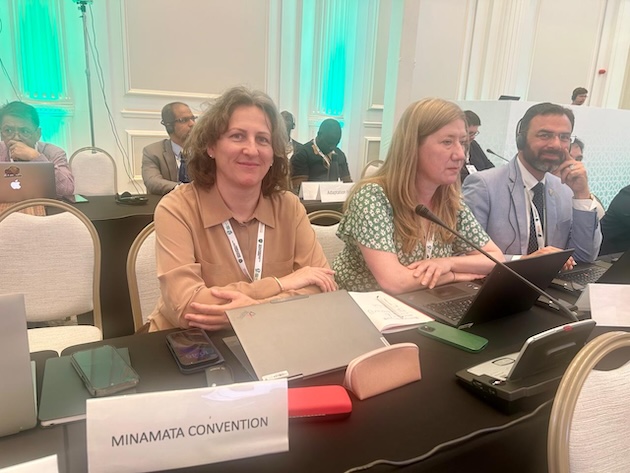
Monika Stankiewicz, Executive Secretary of the Minamata Convention on Mercury, learns how to pan for gold in a free-mercury mine in Baguio, the Philippines, in 2024. Credit: Minamata Convention on Mercury

Monika Stankiewicz, Executive Secretary of the Minamata Convention on Mercury, learns how to pan for gold in a free-mercury mine in Baguio, the Philippines, in 2024. Credit: Minamata Convention on Mercury

By Kizito Makoye
SAMARKAND, Uzbekistan, Jun 5 2026 – Ask any woman miner in the Katoro goldfield in Tanzania’s northern Geita region, and she will tell you that she touches toxic mercury with her bare hands when extracting gold from crushed ore.

Many also say they carry the mercury-gold amalgam home and burn it in kitchens, exposing themselves and their families to toxic fumes that waft into the air.

For many women in Tanzania’s artisanal mining communities, the use of mercury is deeply embedded in their survival.

Globally, mercury used in artisanal gold mining contaminates rivers, enters fish and travels through Indigenous food systems – affecting distant communities.

Monika Stankiewicz, the United Nations’ Executive Secretary of the Minamata Convention on Mercury, warned this week that mercury pollution linked to artisanal gold mining continues to wreak havoc globally, with some women so fearful of the toxic metal’s effects that they are delaying motherhood.

During visits to mining communities in different countries, Stankiewicz said she heard stories that exposed the hidden human cost behind the global gold rush – where poverty often leaves families choosing between earning a living and protecting their health.

“I’ve heard women saying they are afraid to get pregnant because they are afraid their children will be affected by mercury,” Stankiewicz tells IPS on the sidelines of the Eighth GEF Assembly. “So it was really heartbreaking.”

Her account paints a grim picture of women and children exposed to hazardous mercury in domestic settings as the human toll of the global gold rush continues to grow, from Geita to Brazil’s Amazon despite visible risks to human health and ecosystems.

For Stankiewicz, the challenge extends beyond environmental regulation to the harsh reality facing millions of low-income miners worldwide, whose families struggle to survive today while carrying health risks that may last for generations.

“It is always a different context,” Stankiewicz said, recalling her years of interactions with artisanal miners.

“In different countries where I met with miners, the situation was quite specific. So it’s difficult to have one story that represents the entire informal sector,” she said.

Mercury pollution linked to artisanal and small-scale gold mining remains one of the world’s largest sources of human-generated mercury emissions.

In Tanzania, where roughly 1.2 million artisanal miners depend on gold for income, mercury is still widely used because it is cheap, accessible and effective at recovering gold.

Mercury is a toxic substance that attacks the central nervous system. According to Stankiewicz, exposure to the liquid metal may cause neurological damage, including memory loss and tremors, respiratory illness from inhaling mercury vapour, reproductive health impacts and harm to children’s developing nervous systems.

Children are particularly vulnerable.

Monika Stankiewicz, Executive Secretary, Minamata Convention on Mercury at the Eighth GEF Assembly in Samarkand, Uzbekistan. Credit: Stella Paul/IPS

Monika Stankiewicz, Executive Secretary, Minamata Convention on Mercury at the Eighth GEF Assembly in Samarkand, Uzbekistan. Credit: Stella Paul/IPS

“Even low levels can affect brain development, learning and memory, and motor skills,” she said.

The consequences can be lifelong.

“We know from past experiences, such as the Minamata disease in Japan, that high levels of mercury exposure, particularly during pregnancy, can lead to severe and permanent neurological damage in children.”

In many artisanal mining communities, women process ore, store mercury and supervise the burning of amalgam to prevent theft.

“If they are not processing directly, they are often most trusted to either store the mercury or watch over the amalgam as it gets burnt to ensure it is not stolen,” Stankiewicz explains.

“They also face compounded risks during pregnancy, as mercury can affect the developing foetus they carry.”

The unsafe disposal of mercury in Tanzania has created a toxic mix in the country’s river system, exposing people downstream to serious health risks due to water and fish contamination, she added.

Mercury enters rivers, fish and agricultural systems, exposing communities who may never set foot inside a mine.

“For families and communities relying on fishing or farming, the impact can mean reduced food safety and food security, loss of income from contaminated natural resources and long-term degradation of ecosystems they depend on,” Stankiewicz says.

She notes that Indigenous communities in the Arctic continue to experience mercury contamination, even though they do not engage in mercury-intensive artisanal mining, because mercury circulates globally through the atmosphere before accumulating in colder ecosystems.

In Brazil, the crisis carries another dimension.

“Despite their distance and very different contexts, both regions reflect a similar underlying reality: artisanal and small-scale gold mining exists at the intersection of livelihoods, informality, and, in some cases, illegality,” she says.

“In the Brazilian Amazon, we are seeing a growing presence of organised criminal networks linked to illegal gold mining, including money laundering, gold laundering, illegal mercury supply chains, and operations in protected and Indigenous areas.”

“In East Africa, including Tanzania, the situation is different in scale and structure, but the sector is still affected by widespread informality and illicit trade, such as smuggling and unregulated cross-border flows, which limit oversight and undermine efforts to control mercury use.”

For Stankiewicz, criminalising poverty does not solve the mercury problem.

She recalls meeting miners who had already stopped using mercury but remained trapped outside formal markets.

“They still struggled to formalise their activities and to have access to formal markets, to have a fair price for their gold and also to protect themselves from illegal activities.”

The lesson, she said, is that governments must avoid pushing miners deeper underground.

“It’s important to work directly with miners and not push them underground so that activity becomes fully illegal, because then it’s difficult to reach out with capacity building and awareness raising.”

Her message to a miner in Geita or the Brazilian Amazon is grounded in empathy rather than judgement.

“First of all, I would say that this is a very difficult choice for any family member or parent to either think of earning money or then also put at risk their own health.”

“So I do not wish anyone to be in a situation to make such a choice.”

Still, she urges immediate protective action.

“The most immediate and practical advice is really for miners to protect themselves from mercury exposure and to avoid certain practices that really may affect their health.”

“This is like burning amalgam in residential areas and also open burning.”

She believes the long-term answer lies elsewhere.

“Formalisation is the way to go.”

The Minamata Convention, which entered into force nearly a decade ago, has increasingly focused on helping countries move in that direction. Between 1 July 2022 and 30 June 2025 the GEF committed USD 174.0 million for programming to support the implementation of the Convention under its eighth replenishment.

Earlier this week, the 71st Council of the Global Environment Facility (GEF) also acknowledged USD 200 million for smaller projects, including support for countries’ national implementation plans under the Stockholm Convention on Persistent Organic Pollutants and work to address mercury in artisanal and small-scale gold mining under the Minamata Convention on Mercury.

Under Article 7 and National Action Plans, governments are encouraged to eliminate the most dangerous practices, strengthen public health responses, formalise mining operations and introduce mercury-free technologies.

Progress, Stankiewicz says, is visible.

More countries have adopted action plans, more governments have recognised ASGM as a significant sector, and communities are becoming increasingly aware of mercury’s risks.

“On the ground, this is translating into concrete measures: the introduction of mercury-free technologies in some mining areas, stronger regulatory frameworks, efforts to formalise parts of the sector, and increasing integration of health considerations into national responses.”

But she warns against celebrating too early.

“The next phase, and the real test, is ensuring that these efforts are aligned with realities on the ground, sustained, scaled, and translated into lasting improvements in the lives of mining and downstream communities.”

For communities in Tanzania and Brazil that depend on gold, the challenge remains unresolved.

Gold still brings income.

Mercury still brings risk.

And between the two lies a difficult question millions of families continue to confront every day: how to survive today without sacrificing tomorrow.

Note: The Eighth Global Environment Facility Assembly is underway until June 6, 2026, in Samarkand, Uzbekistan.

This feature is published with the support of the GEF. IPS is solely responsible for the editorial content, and it does not necessarily reflect the views of the GEF.

IPS UN Bureau Report


!function(d,s,id){var js,fjs=d.getElementsByTagName(s)[0],p=/^http:/.test(d.location)?’http’:’https’;if(!d.getElementById(id)){js=d.createElement(s);js.id=id;js.src=p+’://platform.twitter.com/widgets.js’;fjs.parentNode.insertBefore(js,fjs);}}(document, ‘script’, ‘twitter-wjs’);


UN Climate Resolution: Time to Protect Activists

Credit: UN News

By Andrew Firmin
LONDON, Jun 5 2026 – Ahead of World Environment Day, the UN General Assembly made a vital commitment to protect people from climate impacts, adopting a resolution on the climate change obligations of states. The resolution follows up on the International Court of Justice (ICJ) advisory opinion issued last year, which found that states have a legal duty to prevent activities that cause environmental harm. Most states voted for the resolution despite a concerted campaign by the Trump administration to block it.

From ruling to resolution

The ICJ ruling was a landmark moment. It made clear that climate change is a human rights issue, because the right to a clean, healthy and sustainable environment is essential for human rights as a whole. Its ruling means that if states breach their climate obligations, it’s an intentionally wrongful act, opening them up to legal challenges.

The ICJ case was brought by the government of Vanuatu, but it was a victory for civil society, because the campaign to seek a ruling was started by law students who formed an organisation, Pacific Islands Students Fighting Climate Change, to pressure their governments to go to the court.

ICJ advisory opinions aren’t legally binding, but their reasoning often plays a part in litigation efforts, strengthening the climate lawsuits civil society is increasingly bringing against states and corporations. It’s already being referenced in court hearings. Last year, a Brazilian judge cited it when he ordered a coalmine and thermoelectric plant to cease operations, although his ruling is currently on hold pending an appeal.

However, at the latest global climate summit, COP30, the Saudi Arabian government vetoed any reference to the ICJ ruling. Vanuatu therefore pushed for the General Assembly resolution to recognise the international legal standing of the judgment and encourage greater implementation.

Approval was far from unanimous. The Trump administration urged its allies to pressure Vanuatu to withdraw the resolution, part of its extensive campaign to defend the interests of fossil fuel corporations. It has also renounced the Paris Agreement and UN Framework Convention on Climate Change, withdrawn from an array of international climate and environmental bodies and blocked an agreement on global shipping emissions. It was one of eight states that voted against, alongside Belarus, Iran, Israel, Liberia, Russia, Saudi Arabia and Yemen, a roll call of petrostates, countries that routinely ignore international rules and their close allies. The Trump administration continues to dispute the resolution, having issued a statement questioning its legality.

Momentum and resistance

States that backed the resolution have made clear that action on the climate crisis isn’t a question of political convenience, but a matter of respecting international law.

The resolution further contributes to the growing momentum behind climate action, despite attempts by a handful of powerful states to drag the world backwards. Renewables now provide around 30 per cent of global electricity, and renewable energy investments in 2025 were more than double those in fossil fuels. The First Conference on Transitioning Away from Fossil Fuels, held in April, brought together 57 states to commit to developing national roadmaps to phase out fossil fuel production and consumption. The blockade of the Strait of Hormuz, through which a fifth of the world’s oil supplies flow, has brought further recognition of the reality that fossil fuel dependence benefits only a handful of petrostates and leaves everyone else vulnerable.

These shifts are having an impact. In May, the UN’s Intergovernmental Panel on Climate Change dropped its worst-case scenario for the possible effects of climate change, under which global temperatures could have risen to 4.5 degrees above preindustrial levels, because emissions cuts are making a difference.

Activists in the crosshairs

The ICJ case offers just one example of how civil society is making a crucial difference in pushing for climate action. Activists are urging ambition and resisting new fossil fuel projects. But they’re paying a heavy price. The Business and Human Rights Centre found that in 2025, three quarters of almost 800 attacks it documented against people who spoke out against businesses targeted those who mobilised on climate, environmental and land rights issues.

Ten activists from the Mother Nature Cambodia environmental group remain in jail, having been handed heavy sentences in 2024 in retaliation for their work to raise public awareness about the impacts of extractive and infrastructure projects. In Mexico, Kenia Hernandez, leader of the Zapata Vive peasant movement that protects land rights, is serving a ten-and-a-half year sentence on fabricated charges.

In Uganda, last year authorities arrested 11 activists for protesting against the construction of the East African Crude Oil Pipeline. In January, police raided the home of Harjeet Singh, one of India’s most prominent environmental activists and a vocal campaigner for a fossil fuel non-proliferation treaty. In Chile, where the government has weakened environmental laws, Indigenous women activists are experiencing intimidation, judicial harassment and violent attacks for opposing large-scale projects.

Last year the German government launched an inquiry into public funding of environmental groups, the Dutch parliament adopted a motion declaring Extinction Rebellion an ‘unlawful, society-disrupting and vandalistic organisation’ and the Portuguese government listed environmental groups in a section on terrorism of its annual security report. Authorities in Australia and New Zealand have arrested numerous people at climate and environmental protests, including in opposition to coal mining.

The UN resolution makes clear that criminalisation and violence are incompatible with states’ obligations, and everyone has a part to play in climate action. It calls on states to ‘ensure the full, meaningful and equal participation of Indigenous Peoples, local communities, people of African descent, women and girls, children and youth, persons with disabilities and people in vulnerable situations in decision-making on climate action’.

States that backed the resolution are attacking the people it demands they work with. They can’t meet their climate obligations unless they stop repressing civil society. The resolution should give fresh impetus to civil society’s calls to replace repression with partnership.

Andrew Firmin is CIVICUS Editor-in-Chief, co-director and writer for CIVICUS Lens and co-author of the State of Civil Society Report.

For interviews or more information, please contact [email protected]


!function(d,s,id){var js,fjs=d.getElementsByTagName(s)[0],p=/^http:/.test(d.location)?’http’:’https’;if(!d.getElementById(id)){js=d.createElement(s);js.id=id;js.src=p+’://platform.twitter.com/widgets.js’;fjs.parentNode.insertBefore(js,fjs);}}(document, ‘script’, ‘twitter-wjs’);  


Europe Must Not Turn Its Back on Rural Women’s Empowerment

By Neven Mimica
ZAGREB, Croatia, Jun 5 2026 – In the hard-to-reach rural community of West Pokot, Kenya, 156 young women crossed a threshold that once seemed out of reach. Their graduation from HER Lab, a workforce skills programme for marginalized rural young women, was more than a ceremony. It demonstrated the power of targeted investment, trusted local partnerships and women’s economic empowerment.

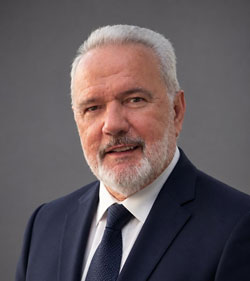
Neven Mimica

All graduates are the first in their families to complete post-secondary education and training. They are now equipped to earn, lead and build dignified futures in communities where opportunity has long been scarce. Yet even as we celebrate this success, grassroots progress like this is increasingly at risk — not because the model is flawed, but because European and global policy is drifting away from the approaches that make such outcomes possible.

The EU’s budget crossroads

The European Union faces a critical moment as it negotiates its post-2027 Multiannual Financial Framework (MFF). While the European Commission has described the draft as its “most ambitious ever”, rising debt repayments and interest costs mean that, in real terms, funding for external action and development is stagnating or declining.

The new MFF prioritises competitiveness, industrial policy and defence. These priorities are understandable in a volatile geopolitical context, but they risk coming at the expense of development cooperation, Official Development Assistance (ODA), and gender-focused programmes — particularly those supporting Africa.

This is not abstract. Cohesion and Common Agricultural Policy budgets are shrinking, while development funding is increasingly consolidated into broader external action instruments. Member states have warned that any real increase is marginal and that adjustment costs will fall on the most vulnerable, within and beyond Europe.

Strategic partnerships: promise and pitfall

The Global Gateway Initiative, launched to mobilise up to €300 billion by 2027, with half for Africa, was presented as a new partnership model. Yet it has generated concern among civil society and parliamentarians.

Its focus on “bankable” projects and private sector-led delivery risks sidelining the actors best placed to deliver inclusive development: local communities, women’s organisations and grassroots NGOs. Civil society engagement remains inconsistent, funding flows lack transparency, and safeguards to ensure gender equality as a core objective are weak.

Strategic partnerships may therefore displace direct support for proven grassroots models, undermining the local capacity and social trust Europe claims to champion.

A global aid crisis

This policy drift comes at a dangerous moment. In 2025, global aid fell by a record margin following a 9% decline in 2024. France cut ODA by 11%, Germany by 17%, the UK reduced bilateral aid to Africa by 12%, and the United States slashed overseas aid contracts by more than 90%.

The consequences are immediate. Programmes supporting girls’ education, health services and women’s economic empowerment across Africa are being scaled back or closed.

The EU, long a champion of gender equality and development, cannot afford to follow this path. Grassroots gains are under threat. Since 2013, the Global Give Back Circle’s HER Lab programme alone has transitioned more than 800 rural young women in Kenya, into employment, entrepreneurship or further education. These are not isolated successes, but foundations of resilient societies and credible European engagement.

This is not an isolated case. The Women Action Foundation (WAF) has enabled women’s economic participation by addressing a critical but often overlooked barrier in Kenya: childcare. By establishing community-run childcare hubs alongside skills training and livelihood support, WAF has enabled women in low-income communities to enter work, launch micro-enterprises and sustain economic independence — demonstrating again that locally designed solutions can deliver high impact with modest resources.

Responsibility and opportunity

Europe’s global credibility rests on aligning values with action. As negotiations on the post-2027 MFF intensify, the EU must decide whether to uphold its commitment to development cooperation and gender equality or allow them to be diluted within broader strategic priorities.

HER Lab shows what works. Graduates are launching businesses, saving collectively, and mentoring others, with 74 per cent moving into employment, entrepreneurship or further education and unemployment falling sharply after programme completion. These are not abstract gains, but measurable outcomes.

The Global Gateway can still play a vital role if it moves beyond large scale infrastructure and meaningfully integrates grassroots, locally led and gender-focused partnerships. To remain credible, the EU must ring-fence funding for development cooperation and gender equality, make civil society co-designers of programmes, and insist on transparent impact reporting.

Beyond its own budget, it should also use its diplomatic influence to help reverse the global aid decline and mobilise private and impact investment behind women’s empowerment.

A beacon worth protecting

The graduation ceremony in West Pokot shows what is possible when civil society and local partners work directly with communities. Locally led, women-centred programmes deliver lasting impact, often with modest resources but deep social trust.

Europe’s promise to marginalised women is not made in communiqués, but in the funding and partnership decisions taken now. Investing in African women through proven, grassroots-led models strengthens communities, builds resilience from the ground up, and underpins the credibility the European Union seeks to project as a global actor.

If Europe is serious about matching its values with action, it must choose to support and scale what works. That means protecting funding for development cooperation and gender equality, and ensuring that grassroots organisations are partners of choice, not afterthoughts, in EU external action.

Neven Mimica is a Croatian politician and diplomat who served as European Commissioner for International Cooperation and Development from 2014 to 2019. He previously was Deputy Prime Minister of Croatia.

IPS UN Bureau


!function(d,s,id){var js,fjs=d.getElementsByTagName(s)[0],p=/^http:/.test(d.location)?’http’:’https’;if(!d.getElementById(id)){js=d.createElement(s);js.id=id;js.src=p+’://platform.twitter.com/widgets.js’;fjs.parentNode.insertBefore(js,fjs);}}(document, ‘script’, ‘twitter-wjs’);