Mavenir Conquista Prêmio Parceiro do Ano da Deutsche Telekom na Categoria Melhor Inovação de Rede

BONN, Alemanha, June 27, 2026 (GLOBE NEWSWIRE) — A Mavenir, empresa de software que cria redes móveis AI-by-design nativas na nuvem, anunciou hoje que conquistou o prêmio de Parceiro do Ano da Deutsche Telekom na categoria Melhor Inovação de Rede. O prêmio foi entregue na Telekom Campus Fair 2026 pela liderança sênior da Deutsche Telekom.

Esse reconhecimento destaca o papel fundamental da Mavenir na iniciativa Most Energy Efficient Core (MeeC), uma colaboração emblemática com a Deutsche Telekom baseada na sua Horizontal TelCo Cloud – a própria arquitetura de nuvem da empresa e um modelo para a indústria de telecomunicações. O MeeC redefiniu a eficiência energética das redes 5G Core, proporcionando uma redução de até 65% do consumo de energia durante períodos de baixo tráfego, sem afetar o desempenho e a qualidade do serviço.

Lançado em 2025, o MeeC aplica análise avançada de tráfego e otimização preditiva de carga de trabalho orientadas por IA para identificar e eliminar o desperdício de energia nas funções 5G Core – sem comprometer o desempenho da rede ou a qualidade do serviço. O projeto demonstrou que reduções significativas de energia são alcançáveis em escala comercial em ambientes de rede ao vivo.

Pardeep Kohli, Diretor Executivo da Mavenir, disse: “O Prêmio de Parceiro da Deutsche Telekom é uma tremenda honra para toda a equipe da Mavenir. O MeeC é um exemplo convincente do que é possível com a conjunção da arquitetura nativa da nuvem, automação orientada por IA e uma parceria genuína. As redes sustentáveis não são uma ambição futura, elas são uma realidade operacional. Estamos orgulhosos de ter ajudado a Deutsche Telekom a provar isso em escala.”

Os Telekom Partner Awards reconhecem as excelentes contribuições dos parceiros da Deutsche Telekom nos campos de tecnologia de rede, operações e sustentabilidade. O prêmio também foi entregue em conjunto à AMD em reconhecimento à sua contribuição para a iniciativa MeeC. 

Informação aos Editores:

Most energy efficient Core: Apresentação do Mobile World Congress
https://www.youtube.com/watch?v=Mw2g-CSSAtI

Sobre o MeeC (Núcleo Mais Eficiente em Energia)
O MeeC é um programa de inovação da Deutsche Telekom focado na transformação da eficiência do 5G Core por meio da automação inteligente. Principais conquistas:

  • Até 65% de economia de energia em relação às operações de linha de base
  • Previsão de tráfego e dimensionamento em tempo real alimentados por IA
  • Consolidação dinâmica de carga de trabalho em funções nativas da nuvem
  • Automação de toque zero, para otimização contínua
  • Implantação comprovada em uma rede de produção Tier-1 em tempo real

Sobre a Mavenir
A Mavenir habilita redes inteligentes, automatizadas e programáveis por meio do desenvolvimento de soluções de software de IA por design, nativas da nuvem, para operadoras de telefonia móvel. A profunda experiência com domínio de telecomunicações da empresa foi comprovada por meio de implantações com mais de 300 operadoras em todo o mundo em mais de 120 países, que juntas atendem mais de 50% dos assinantes de todo o mundo. A Mavenir combina sua profunda experiência em telecomunicações com a experiência em nuvem e TI, e conjuntos de habilidades em ciência de dados essenciais para resolver desafios reais dos clientes. Suas soluções de software comprovadas são IA por design, oferecendo o futuro nativo da IA e a evolução das operadoras para TechCos. Para mais informações, visite www.mavenir.com

Contatos de RP da Mavenir:

Emmanuela Spiteri
[email protected]

Foto deste comunicado disponível em https://www.globenewswire.com/NewsRoom/AttachmentNg/c7cc50fe-62ad-4a40-b285-74324d5d708e


GLOBENEWSWIRE (Distribution ID 9753619)

Mavenir erhält Auszeichnung „Partner of the Year“ für die beste Netzwerkinnovation von der Deutschen Telekom

BONN, Deutschland, June 27, 2026 (GLOBE NEWSWIRE) — Mavenir, das Softwareunternehmen, das cloudnative, von Grund auf auf KI ausgerichtete Mobilfunknetze entwickelt, gab heute bekannt, dass es den „Partner of the Year Award“ der Deutschen Telekom in der Kategorie „Beste Netzwerkinnovation“ gewonnen hat. Die Auszeichnung wurde auf der Telekom Campus Fair 2026 von der Führungsspitze der Deutschen Telekom überreicht.

Diese Auszeichnung unterstreicht die zentrale Rolle von Mavenir im Rahmen der „Most Energy Efficient Core“ (MeeC)-Initiative, einer wegweisenden Zusammenarbeit mit der Deutschen Telekom, die auf der „Horizontal TelCo Cloud“ basiert – der firmeneigenen Cloud-Architektur und einem Modell für die Telekommunikationsbranche. MeeC hat die Energieeffizienz in 5G-Kernnetzen neu definiert und sorgt in Zeiten geringen Datenverkehrs für eine Senkung des Energieverbrauchs um bis zu 65 %, ohne dabei Abstriche bei der Leistung und der Dienstqualität zu machen.

MeeC wurde im Jahr 2025 eingeführt und nutzt fortschrittliche, KI-gestützte Verkehrsanalysen sowie vorausschauende Workload-Optimierung, um Energieverschwendung in den 5G-Core-Funktionen zu identifizieren und zu beseitigen – ohne dabei die Netzwerkleistung oder die Dienstqualität zu beeinträchtigen. Das Projekt hat gezeigt, dass sich in realen Netzwerkumgebungen im kommerziellen Maßstab erhebliche Energieeinsparungen erzielen lassen.

Pardeep Kohli, Chief Executive Officer von Mavenir, erklärte: „Der Gewinn des Partner-Awards der Deutschen Telekom ist eine große Ehre für das gesamte Mavenir-Team. MeeC ist ein eindrucksvoller Beweis dafür, was möglich wird, wenn cloudnative Architektur, KI-gestützte Automatisierung und echte Partnerschaft zusammenkommen. Nachhaltige Netzwerke sind kein Zukunftsziel – sie sind bereits gelebte Realität, und wir sind stolz darauf, der Deutschen Telekom dabei geholfen zu haben, dies in großem Maßstab unter Beweis zu stellen.“

Mit den Telekom Partner Awards werden die herausragenden Leistungen der Partner der Deutschen Telekom in den Bereichen Netzwerktechnik, Betrieb und Nachhaltigkeit gewürdigt. Die Auszeichnung wurde zudem gemeinsam an AMD verliehen, in Anerkennung des Beitrags des Unternehmens zur MeeC-Initiative. 

Hinweise für Redakteure:

Der energieeffizienteste Core: Präsentation auf dem Mobile World Congress
https://www.youtube.com/watch?v=Mw2g-CSSAtI

Über MeeC (Most Energy Efficient Core)
MeeC ist ein Innovationsprogramm der Deutschen Telekom, dessen Schwerpunkt auf der Steigerung der Effizienz des 5G-Core durch intelligente Automatisierung liegt. Zu den wichtigsten Errungenschaften zählen:

  • Bis zu 65 % Energieeinsparung im Vergleich zum Basisbetrieb
  • KI-gestützte Verkehrsprognose und Skalierung in Echtzeit
  • Dynamische Konsolidierung der Arbeitslast über cloudnative Funktionen hinweg
  • Zero-Touch-Automatisierung für eine kontinuierliche Optimierung
  • Bewährter Einsatz in einem aktiven Tier-1-Produktionsnetzwerk

Über Mavenir
Mavenir entwickelt telekommunikationsorientierte, cloudnative und KI-basierte Softwarelösungen für Mobilfunkbetreiber. Damit ermöglicht das Unternehmen intelligente, automatisierte und programmierbare Netzwerke. Die umfassende Kompetenz des Unternehmens im Telekommunikationsbereich zeigt sich in Implementierungen bei mehr als 300 Netzbetreibern in über 120 Ländern, die zusammengenommen mehr als 50 % der weltweiten Mobilfunkteilnehmer versorgen. Mavenir vereint dabei seine umfassende Telekommunikationsexpertise mit tiefgehendem Cloud- und IT-Know-how sowie ausgeprägten Kompetenzen im Bereich Datenwissenschaft – Fähigkeiten, die entscheidend sind, um reale Herausforderungen der Kunden erfolgreich zu lösen. Die bewährten Softwarelösungen des Unternehmens sind von Grund auf auf KI ausgelegt und ebnen den Weg in eine KI-native Zukunft sowie den Wandel der Netzbetreiber hin zu TechCos. Weitere Informationen finden Sie unter www.mavenir.com

Mavenir PR-Kontakte:

Emmanuela Spiteri
[email protected]

Ein Foto zu dieser Mitteilung ist verfügbar unter https://www.globenewswire.com/NewsRoom/AttachmentNg/c7cc50fe-62ad-4a40-b285-74324d5d708e


GLOBENEWSWIRE (Distribution ID 9753619)

Mavenir remporte le Partner of the Year Award de Deutsche Telekom pour la meilleure innovation réseau

BONN, Allemagne, 27 juin 2026 (GLOBE NEWSWIRE) — Mavenir, éditeur de logiciels spécialisé dans les réseaux mobiles natifs du cloud et conçus avec l’IA dès leur conception, annonce ce jour avoir remporté le Partner of the Year Award de Deutsche Telekom dans la catégorie Meilleure innovation réseau. Cette distinction a été remise par la direction de Deutsche Telekom lors du salon Telekom Campus Fair 2026.

Cette reconnaissance souligne le rôle capital de Mavenir dans l’initiative Most Energy Efficient Core (MeeC – Le cœur de réseau le plus économe en énergie), un projet de collaboration phare mené avec Deutsche Telekom et fondé sur le « Horizontal TelCo Cloud », l’architecture cloud propriétaire de l’entreprise qui sert de référence pour le secteur des télécommunications. Le projet MeeC a redéfini l’efficacité énergétique des cœurs de réseau 5G, permettant de réduire la consommation d’énergie de 65 % durant les périodes de faible trafic, tout en garantissant des performances et une qualité de service optimales.

Lancé en 2025, il s’appuie sur des techniques avancées d’analyse du trafic pilotées par l’IA, ainsi que sur l’optimisation prédictive de la charge de travail pour identifier et éliminer le gaspillage d’énergie au sein des fonctions du cœur de réseau 5G, sans compromettre les performances du réseau ni la qualité de service. Ce projet a démontré qu’il était possible de réaliser d’importantes économies d’énergie à l’échelle commerciale, dans des environnements réseau en conditions réelles.

Pardeep Kohli, PDG de Mavenir, a déclaré : « Remporter le Partner Award de Deutsche Telekom est un immense honneur pour toute l’équipe de Mavenir. MeeC illustre parfaitement ce qu’il est possible d’accomplir lorsque l’on associe une architecture native cloud, une automatisation pilotée par l’IA et un véritable partenariat. Les réseaux durables ne sont pas une ambition pour l’avenir, mais une réalité opérationnelle ; nous sommes fiers d’avoir aidé Deutsche Telekom à le démontrer à grande échelle. »

Les Telekom Partner Awards récompensent les contributions exceptionnelles des partenaires de Deutsche Telekom dans les domaines des technologies réseau, de l’exploitation et du développement durable. Ce prix a également été décerné à AMD en reconnaissance de sa contribution à l’initiative MeeC. 

Notes à la rédaction :

Présentation de Most energy efficient Core au Mobile World Congress
https://www.youtube.com/watch?v=Mw2g-CSSAtI

À propos de MeeC (Most Energy Efficient Core – Le cœur de réseau le plus économe en énergie)
MeeC est un programme d’innovation de Deutsche Telekom visant à transformer l’efficacité du cœur de réseau 5G grâce à l’automatisation intelligente. Parmi ses principales réalisations, citons :

  • Jusqu’à 65 % d’économies d’énergie par rapport aux opérations standard
  • Prévision du trafic et ajustement de la capacité en temps réel grâce à l’IA
  • Consolidation dynamique de la charge de travail entre les fonctions natives du cloud
  • Automatisation « zero-touch » permettant une optimisation continue
  • Déploiement éprouvé au sein d’un réseau de production opérationnel de premier plan

À propos de Mavenir
Mavenir développe des réseaux intelligents, automatisés et programmables grâce à des solutions logicielles cloud-native, conçues avec l’IA dès la conception et destinées aux opérateurs mobiles. Son expertise approfondie dans le secteur des télécommunications a été démontrée par des déploiements auprès de plus de 300 opérateurs dans plus de 120 pays, qui desservent ensemble plus de 50 % des abonnés mondiaux. Mavenir allie une expertise approfondie des télécommunications à des compétences en informatique, en cloud et en science des données, des atouts essentiels pour relever les défis concrets de ses clients. Ses solutions logicielles éprouvées intègrent l’IA dès leur conception et offrent ainsi aux entreprises technologiques un avenir basé sur l’IA native et l’évolution des opérateurs. Pour en savoir plus, rendez-vous sur www.mavenir.com

Contact relations publiques de Mavenir :

Emmanuela Spiteri
[email protected]

Une photo annexée au présent communiqué est disponible à l’adresse suivante : https://www.globenewswire.com/NewsRoom/AttachmentNg/c7cc50fe-62ad-4a40-b285-74324d5d708e


GLOBENEWSWIRE (Distribution ID 9753619)
The Forgotten Triumph of Rinderpest Eradication, and the Cost of Ignoring Its Lesson

The Forgotten Triumph of Rinderpest Eradication, and the Cost of Ignoring Its Lesson

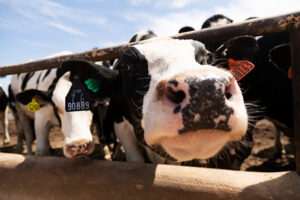
Cattle Empire LLC, Satanta, Kansas, USA. Credit: Guilhem Alandry / HealthforAnimals

By Armin Wiesler
BRUSSELS, Belgium, Jun 27 2026 – Animal disease is no longer a distant concern for farmers and veterinarians alone. It is increasingly visible in household budgets: global egg prices surged more than 60% during recent bird flu outbreaks. In South Africa, foot-and-mouth disease pushed beef prices up by 34%. These are not isolated fluctuations in price. They are reminders that when prevention falls short, families, farmers and food systems all pay the price.

Exactly 15 years ago today, the world proved there is another way. On June 28, 2011, the United Nations (UN) declared rinderpest, or “cattle plague,” eradicated. It remains the only animal disease ever wiped from the planet. For centuries, the virus had killed millions of livestock animals, devastated herds and triggered famines across continents.

The eradication campaign succeeded because science, logistics and political commitment all came together. A global prevention effort was supported by surveillance, international coordination, and an effective, heat-stable vaccine that could reach remote, tropical areas without the need for refrigeration. This turned an ancient threat into a preventable one – and then into a disease of the past.

The lesson was not only scientific. It was economic. According to estimates by the UN’s Food and Agriculture Organization, rinderpest control cost around $610 million while the annual benefits for Africa alone amounted to $1 billion. In other words, prevention did not just save animals. It protected livelihoods, strengthened food security and paid for itself many times over.

Yet, in the past 15 years, the world has not applied that lesson more broadly or consistently enough. When outbreaks occur, the response still too often defaults to emergency measures such as culling, movement restrictions and trade disruption. Rather than rapid deployment of preventive tools like surveillance, biosecurity measures, vaccination and close international cooperation.

Lumpy skin disease is a current case in point: diagnostics, biosecurity practices and effective vaccines exist, yet many countries struggle to use them quickly enough to stop spread and limit damage. The barriers are structural. International trade rules with potential economic risk impact decision-making, even when it is a necessity. Countries may face an impossible choice: protect their animals and farmers or protect access to export markets. The result is a system that remains perpetually reactive.

Meanwhile, these diseases continue to spread. Lumpy skin disease and peste des petits ruminants (PPR) reached new regions for the first time last year, disrupting trade, harming rural communities and undermining food security. For the more than one billion people who rely on livestock for food, income and livelihoods, these are not abstract events. They have a real economic and social impact.

That is why the rinderpest eradication anniversary should be more than a moment of reflection. It should be a reminder that prevention only works when it is planned before the next emergency, not improvised during it. National preparedness remains essential, but diseases respect no borders. No country can fully control animal health threats alone.

Global collaboration is needed to improve surveillance, align incentives for vaccination, and remove the trade and policy barriers that discourage prevention. This is the role initiatives such as the World Organisation for Animal Health’s PREVENT Forum can play: bringing governments, international organizations and the private sector together to help remove the barriers that individual countries cannot on their own.

But collaboration must move beyond discussion. It should lead to practical changes: stronger investment in surveillance and diagnostics, clearer pathways for the use and recognition of vaccination, and faster access to these tools during outbreaks. The goal should not be to respond better to every crisis. It should be to prevent more crises from happening.

The past three years alone have brought outbreaks of avian influenza, bluetongue virus, foot-and-mouth disease and Newcastle disease across continents. We do not yet know which animal disease will cause the next major shock, or where it will emerge.

But rinderpest proved that the world knows how to act when science, political will and global coordination are aligned. The question is not whether prevention is possible. The question is whether we will choose to make it a priority before the next crisis strikes.

Dr Armin Wiesler is President of HealthforAnimals

IPS UN Bureau


!function(d,s,id){var js,fjs=d.getElementsByTagName(s)[0],p=/^http:/.test(d.location)?’http’:’https’;if(!d.getElementById(id)){js=d.createElement(s);js.id=id;js.src=p+’://platform.twitter.com/widgets.js’;fjs.parentNode.insertBefore(js,fjs);}}(document, ‘script’, ‘twitter-wjs’);