AACSB and Scholarly Societies Release Framework to Advance Research Impact in Business Education

TAMPA, Fla., May 26, 2026 (GLOBE NEWSWIRE) — Business schools are under growing pressure to demonstrate that their research matters beyond academia, yet most lack a clear framework for doing so. Today, a coalition of 10 global academic organizations is offering a path forward through the release of A Framework for Research Impact: Insights, Pathways, and Calls to Action.

The report coincides with AACSB’s inaugural Research Impact Conference, offered in partnership with the Academy of Management, and provides business schools with an actionable approach and resources to help broaden how they define, assess, and communicate research impact.

Developed by AACSB’s Global Research Impact Task Force, the framework presents an expanded understanding of the research impact ecosystem, one that connects scholarship to business practice, public policy, teaching, and society.

Global Research Impact Task Force

  • AACSB International 
  • Academy of International Business 
  • Academy of Management 
  • American Accounting Association 
  • American Marketing Association 
  • Asia Academy of Management 
  • Association for Information Systems 
  • European Accounting Association 
  • Journal of Operations Management 
  • Production and Operations Management Society

The framework reflects months of work by the task force and includes extensive input from across the business education ecosystem through global surveys, roundtables, focus groups, advisory discussions, and feedback on an exposure draft released in October 2025. It encourages institutions to adopt more intentional and mission-aligned approaches to supporting, evaluating, and communicating research impact.

“For too long, research impact has been defined too narrowly,” said Lily Bi, president and chief executive officer of AACSB. “I am excited to share the work of the task force from over the last year. This framework helps institutions move from measuring outputs to understanding and a outcomes and impact.”

The report, which is just phase one of an ongoing effort to drive systemwide change, emphasizes that impactful research often emerges through ongoing engagement among researchers, practitioners, policymakers, learners, and communities. It also highlights the importance of aligning institutional strategy, incentives, culture, and infrastructure to support multiple forms of research impact.

Among its recommendations, the framework encourages business schools to:

  • Develop mission-aligned research impact strategies
  • Strengthen connections among research, teaching, and external engagement
  • Adopt more balanced approaches to evaluating research impact
  • Recognize both quantitative and qualitative evidence of impact
  • Create institutional environments that support diverse forms of impactful scholarship

To support business schools in implementation, the framework includes practical resources such as a Research Impact Assessment Tool and a Research Impact Ecosystem Guide. Together, these resources help schools evaluate current practices, identify opportunities for improvement, and strengthen institutional alignment around research impact.

The framework also aligns with AACSB’s 2026 Global Standards for Business Education™ and associated Pathways to Impact model, which call for a broader understanding of impact by business schools.

The report concludes with a series of strategic imperatives for stakeholder groups across the research ecosystem—including scholarly associations, publishers, journals, media, ranking bodies, and others—calling for a more collective and coordinated approach to advancing research impact and building on the momentum generated by the task force.

For more information and to access the full report, visit aacsb.edu/research-impact-framework.

About AACSB

Established in 1916, AACSB International (AACSB) connects educators, learners, and businesses to create the next generation of great leaders. With more than 2,000 member organizations and over 1,000 accredited business schools worldwide, AACSB is the world’s largest business education network. Through its global standards, accreditation, and thought leadership, AACSB fosters engagement, accelerates innovation, and amplifies impact in business education.

aacsb.edu
[email protected]


GLOBENEWSWIRE (Distribution ID 9726585)
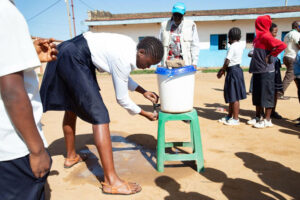
Ebola Outbreak in the DRC Raises Global Health Concerns Amid Conflict and Displacement

Ebola Outbreak in the DRC Raises Global Health Concerns Amid Conflict and Displacement

Elongo, 12, washes her hands at Epo‑Ville Primary School in Bunia, Ituri Province, DR Congo, on 22 May 2026. She had just taken part in a handwashing demonstration led by UNICEF WASH Officer Ciza Nyalundja. Credit: UNICEF/Carmel Ndomba Mbikayi

By Oritro Karim
UNITED NATIONS, May 26 2026 – Since May 16, there has been a significant increase in the number of laboratory-confirmed and suspected Ebola cases reported across the Democratic Republic of the Congo (DRC), primarily in Ituri Province, with additional unrelated cases identified in Kampala, Uganda. Although the outbreak has remained largely confined to that region, it has been heavily linked to areas affected by insecurity, civilian displacement, and mining-related migration, raising concerns among global health experts that the outbreak could spread without effective monitoring and response efforts.

As of May 17, the World Health Organization (WHO) has determined that the Ebola outbreak caused by the Bundibugyo virus in the DRC and Uganda constitutes a public health emergency of international concern (PHEIC), while the Centers for Disease Control and Prevention (CDC) has issued health alerts to healthcare workers and travelers regarding the spread in the region. Current projections of the virus spreading to other continents remain low at this time, with WHO stating that the outbreak does not meet the criteria of a pandemic, as defined in the 2005 International Health Regulations (IHR).

“We are now revising our risk assessment to very high at the national level, high at the regional level, and low at the global level,” said Tedros Adhanom Ghebreyesus, Director-General of WHO, on May 22 at a United Nations (UN) press briefing in Geneva, noting that there have been 82 confirmed Ebola cases and seven deaths in the DRC. However, these figures are expected to be far higher, with nearly 750 suspected cases and 177 reported suspected deaths.

Two additional confirmed cases linked with travel from the DRC have also been reported in Uganda, one of which ended in death. Furthermore, two American nationals have been transferred to Europe for treatment after being suspected of contracting the virus following prolonged “high-risk contact.”

Response efforts have been largely limited as a result of widespread civilian displacement and prolonged conflict. On May 21, the UN reported that a hospital in the Ituri province was set on fire by angry relatives after the local police refused to release the body of an infected individual to the family due to concerns of contamination.

Additionally, the outbreak has been most pronounced in the Ituri and North Kivu provinces, which have historically been the center of armed conflict and humanitarian suffering in the DRC. Over the past few months alone, there have been more than 100,000 civilians displaced in this region as a direct result of violence, which has severely constrained humanitarian response efforts.

“These are some of the most difficult operating environments in the world for our life-saving work,” said Tom Fletcher, UN Under Secretary-General for Humanitarian Affairs and Emergency Relief Coordinator, in a statement shared to X. “We face conflict and high population movement. We are working to secure safe and sustained access for frontline responders, including to areas controlled by armed groups. It is essential that there is no obstruction to our response. We must have access to all routes — air, land, and water — across the affected areas.”

According to Ghebreyesus, approximately four million people are in dire need of humanitarian intervention, two million are displaced, and ten million are facing acute food insecurity. Women will be disproportionately affected, as they often serve in caregiving roles, domestic labour, and frontline services, all of which increase their risk of infection. Pregnant women are particularly vulnerable, while quarantine measures have been linked with rising rates of gender based violence.

These risks have been exacerbated by the collapse of health systems in the North Kivu and Ituri provinces, where needs are most dire. In 2025, WHO recorded more than 1.5 million people across these provinces who lost access to primary healthcare facilities. Approximately 85 percent of healthcare centers face critical drug shortages.

“Even if people are sick, they may be suspected cases, they cannot access health services, and therefore they cannot be detected, they cannot be diagnosed,” said Teresa Zakaria, WHO’s Unit Head of Humanitarian Operations. “Within the outbreak response as well, we need to really make sure that essential health services for everyone in the two provinces are safeguarded, especially for those who have been forcibly displaced and extremely vulnerable.”

Humanitarian experts have stressed that restoring the public’s confidence in agencies’ capability to contain the outbreak will be crucial moving forward. Following the 2013-2016 Western Africa Ebola epidemic, many communities are still carrying trauma and have harbored a deep distrust in the humanitarian response.

Many residents across the region continue to seek treatment, while others believe that Ebola is “fabricated,” according to Gabriela Arenas of the International Federation of Red Cross and Red Crescent Societies (IFRC).

“They remember the fear. They remember the rumours spreading to villages. They remember neighbours disappearing into treatment centres,” said Arenas. “During an Ebola outbreak, trust and community acceptance can mean the difference between containment and wider transmission.”

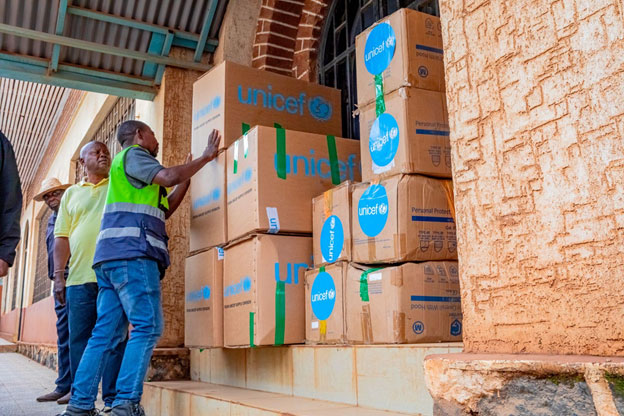
Supplies handed over by UNICEF Chief Field Office Ibrahim Abdi Shire hands over supplies to the Provincial Health Directorate in Bukavu, South Kivu Province, DR Congo, on 20 May 2026. Credit: UNICEF/Christian Kalengera

On May 22, Fletcher announced that up to $60 million USD from the UN’s Central Emergency Response Fund will be allocated to support containment, treatment, and monitoring efforts in DRC and surrounding countries. WHO also announced that it has deployed 22 international staff to provide direct frontline assistance and released $3.9 million USD from its contingency fund. The agency, in collaboration with Africa’s CDC, has established a continental incident management team to support frontline responders and protect vulnerable communities.

“We are applying lessons from previous outbreaks,” said Fletcher. “Containment depends on fast, coordinated action at the community level. We need strong communication with governments and effective early warning and detection systems across affected countries. Community trust is essential: we will continue delivering wider humanitarian support to people affected, engage closely with them to understand their needs, preposition supplies where possible, and avoid militarised delivery of support.”

IPS UN Bureau Report


!function(d,s,id){var js,fjs=d.getElementsByTagName(s)[0],p=/^http:/.test(d.location)?’http’:’https’;if(!d.getElementById(id)){js=d.createElement(s);js.id=id;js.src=p+’://platform.twitter.com/widgets.js’;fjs.parentNode.insertBefore(js,fjs);}}(document, ‘script’, ‘twitter-wjs’);  


BitMEX and COLLYBUS Announce Strategic Platform Partnership to Deliver Institutional-Grade Trading Technology

SINGAPORE and SYDNEY, May 26, 2026 (GLOBE NEWSWIRE) — BitMEX, one of the world’s leading digital asset trading platforms, and COLLYBUS, the regulated execution gateway for institutional digital asset and FX markets, today announced a strategic platform partnership under which COLLYBUS’s execution platform will be deployed across BitMEX, providing professional and active traders with access to institutional-grade trading technology.

The partnership brings together BitMEX’s deep liquidity and established global community with COLLYBUS’s execution infrastructure, delivering a more powerful and seamless trading environment for BitMEX’s professional and active clients, built on direct access to BitMEX liquidity.

What the Partnership Delivers

Through the collaboration, COLLYBUS will deploy its trading platform across BitMEX, providing professional and active traders with access to institutional-grade trading technology designed to meet the evolving and increasingly demanding requirements of today's digital asset markets. The platform is built to deliver the performance, reliability, and depth of functionality that professional traders require, supported directly by BitMEX's liquidity and market infrastructure.

The platform will be made available to BitMEX’s clients through a phased rollout, with both companies working closely to ensure seamless integration and a best-in-class client experience.

“COLLYBUS is the infrastructure that our most active clients have been asking for. The combination of BitMEX’s liquidity and global reach with COLLYBUS’s execution platform creates a genuinely differentiated offering in the market and we are excited to bring it to our trading community.”

— Sam Sandiford, Head of Product and Institutional Business Development, BitMEX

“BitMEX has built one of the most established and trusted trading communities in digital asset markets. Partnering with BitMEX to deploy our platform for their professional and active traders is a significant milestone for COLLYBUS and a strong validation of our execution infrastructure. We look forward to delivering a genuinely superior trading experience together.”

— Greg O’Sullivan, Co-Founder & Co-CEO, COLLYBUS


About BitMEX

BitMEX is the OG crypto derivatives exchange, providing professional crypto traders with a platform that caters to their needs with low latency, deep crypto native liquidity and unmatched reliability.

Since its founding, no cryptocurrency has been lost through intrusion or hacking, allowing BitMEX users to trade with confidence that their funds are secure and that they have access to the products and tools required to be profitable.

BitMEX was also among the first exchanges to publish on chain Proof of Reserves and Proof of Liabilities data. The exchange continues to publish this data twice a week, providing assurance that customer funds are safely stored and segregated.

For more information, users can visit the BitMEX Blog or www.bitmex.com and follow Discord, Telegram and Twitter.

Media Contact

BitMEX Press

[email protected]

About COLLYBUS

COLLYBUS is the regulated infrastructure and interoperability layer connecting institutional capital to digital asset and FX markets. As these markets mature, the defining challenge for institutions is not liquidity, it is access: fragmented venues, siloed collateral, inconsistent execution standards, and the absence of a regulated, neutral framework that meets institutional requirements. COLLYBUS solves that.

A licensed agency brokerage sitting above fragmented markets, aggregating liquidity across venues, and delivering conflict-free institutional access through a single interface spanning spot, derivatives, perpetual futures, FX, and tokenised real-world assets with advanced algorithmic execution, real-time collateral management, pre-trade compliance, and full audit trail built in. Not adapted from retail. Built for institutions from day one.

Founded by capital markets veterans across FX, institutional trading technology, and regulatory infrastructure, COLLYBUS holds an Australian Financial Services Licence (AFSL 546742) issued by ASIC and has received In Principle Approval for a Capital Markets Services (CMS) licence from the Monetary Authority of Singapore (MAS).

For more information,

visit www.collybus.co.

[email protected]


GLOBENEWSWIRE (Distribution ID 1001183975)

Connecting the Dots: Quality Seed, Resilient Food Systems and Good Health

Anup Jagwani, Global Director for Farming and Agribusiness at the World Bank Group, addresses the World Seed Congress. Credit: Supplied

Anup Jagwani, Global Director for Farming and Agribusiness at the World Bank Group, addresses the World Seed Congress. Credit: Supplied

By Friday Phiri
LISBON, May 26 2026 – It is often said that the quality of seed determines the quality of the produce and, consequently, the sustainability of the entire agricultural value chain, influencing everything from crop yields to nutritional value.

The United Nations Food and Agricultural Organisation (FAO) emphasises that we cannot have good crops if we do not have quality seeds”, a principle that underpins global efforts to improve food and nutritional security. It may thus be safe to conclude that seed is the foundation of good health.

The week of 18 to 23 May 2026 witnessed two related but parallel global events: one on global health, the 79th World Health Assembly in Geneva by the World Health Organisation (WHO) and the other on the importance of seeds to global agriculture and food security, the World Seed Congress, organised by the International Seed Federation (ISF).

With a record attendance of more than 1,700 delegates and guests representing over 900 companies and organisations in Lisbon and held under the theme “Joint Actions, Resilient Futures”, the seed congress called for a collective commitment and action at a moment when the multilateral frameworks underpinning global food and nutritional security are under unprecedented strain.

The Congress took place amid mounting pressure on global agri-food systems, sparked by conflicts and worsened by climate change. In 2025, two famines were declared in a single year for the first time. This year, recent geopolitical tensions continue to threaten global trade and economic stability, while an estimated 700 million people worldwide, primarily in Africa and Western Asia, still face hunger each year.

And experts have warned that climate change, including a predicted El Niño event in mid-2026, could push an additional 132 million people in vulnerable contexts into food and nutrition insecurity within five years due to rising temperatures’ impacts on crop yields.

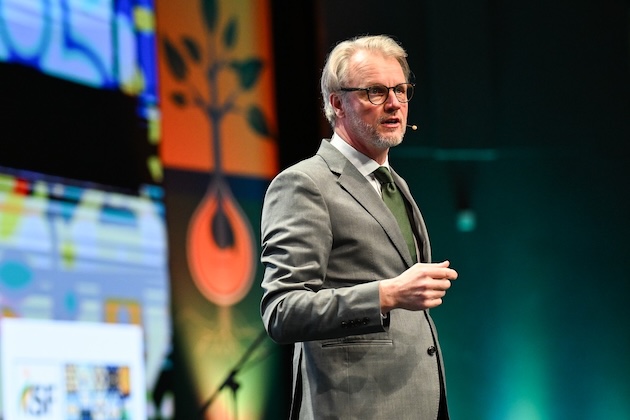
Michael Keller, Secretary General ofInternational Seed Federation. Credit: Supplied

Michael Keller, Secretary General of the International Seed Federation. Credit: Supplied

“It would be easy to look at the state of the world and conclude that international cooperation is in retreat. But the seed industry tells a different story,” says Michael Keller, Secretary General of ISF. “We are here in Lisbon in record numbers in this critical year because we know that collaboration, innovation, and joint actions are practical and appropriate responses to the scale of the truly global challenges we face now and in the future. Unfortunately, in Africa, non-flexible legal and regulatory frameworks still hamper innovation by private seed companies.

And about 2,000 km away in Geneva, WHO Director General Dr Tedros Adhanom Ghebreyesus delivered a similar message, focused on the theme “Reshaping global health: a shared responsibility”, strongly reinforcing the interconnected nature of global health and climate change resilience with several important social determinants of health, including food systems and nutrition.

Ghebreyesus highlighted the importance of not treating health as a standalone sector but rather ensuring that all social determinants of health are well-functioning in support of resilience, sovereignty, and protection of communities from crises.

The chain is simple: climate change threatens agricultural production, food systems, and access to nutritious food, leading to malnutrition, and malnutrition in turn increases vulnerability to infectious diseases and public health emergencies.

Role of Seed Breeding Innovations for Health

Seed innovations alone account for 74 percent of the yield gains observed in crops in the European Union, according to S&P Global Commodity Insights. However, the global system of crop variety development depends heavily on cross-border trade, with the typical novel varieties bred, tested, produced, and distributed across multiple countries before they reach a farmer’s hands.

“Seed companies invest up to 30 percent of their turnover in research and development because we believe that innovation is key to solving problems at scale and for generations to come,” said Arthur Santosh Attavar, ISF President and Managing Chair of the international seed company Indo-American Hybrid Seeds. “ISF continues to work with national and regional seed associations, as well as governments, to create enabling policy environments that help ensure innovations reach farmers quickly and without unnecessary delays or restrictions.”

In the wake of increased climate-induced extreme weather events, one of the key innovations in seed breeding has been ‘climate-resilient seed’ to withstand not only intensified droughts but also the increased prevalence of pests and diseases related to drought conditions.

But the World Bank believes breeding seed that could go beyond being drought tolerant to high nutritional value could be a game changer.

“Until now, we have been dealing with climate resilience largely from the drought and sometimes excess rainfall perspective, but can we also start looking at developing seed varieties by building in additional nutritional aspects such as high protein content? At the World Bank, we are looking at different ways of how to build food systems resilience in a holistic way—covering the entire value chain from seed, infrastructure, markets and all the in-between, with a clear focus on sustainability,” said Anup Jangwani, Global Director of Farming and Agribusiness at the World Bank Group.

Sustained Awareness is Key for Sustainability  

Environmental sustainability has, in recent years, become a buzzword in the wake of increasing climate impacts. Unfortunately, there have been some cases of greenwashing linked to environmental sustainability – the promotion of false solutions to the climate crisis that distract from and delay concrete and credible action.

However, at Companhia das Lezírias the largest agricultural and forestry holding in Portugal, “environmental sustainability is a lived reality,” says Sandra Alcobia, who serves as a biologist and is responsible for tourism and visitation.

“Here we live and practice environmental sustainability in reality; our production is organic in every sense. In 2015, the drought conditions that we suffered provided us with an awakening to make a drastic change, and we have not looked back. We are proud to be a certified carbon-neutral establishment.”

Established in 1836, the farm boasts 20,000 hectares of land for crop farming, animal rearing and forestry – all premised on the principles of sustainability, emphasising organic practices.

But Antonio Farrim, Veterinarian and Director of Agriculture Production at Companhia das Lezírias, believes public awareness is key to the climate-resilient and sustainable agenda.

“Governments must take full responsibility for sensitising the public on the health benefits of sustainably grown food,” he says. “For example, in beef production, the colour of meat produced organically is not usually appealing to the eye; it is slightly dark with yellow fat. In terms of nutrition, however, this is the most healthy beef one can get, and yet most consumers don’t understand this fact. It is, therefore, incumbent upon governments to undertake sustained awareness for both environmental sustainability and good health. For us here at Companihia, we don’t only produce for sustainability but also for the good health of the consumers.”

Head of External Communication at Syngenta, one of the world’s biggest agricultural innovation companies, Dimitri Houtart agrees with the importance of the public awareness narrative.

Houtart says the growing global population poses a challenge as the global community races to produce enough for everyone, sustainably, with limited land. This, he states, can only be achieved through innovation and sustained public awareness for uptake of innovative technologies that support high productivity.

However, he notes, “misinformation on catalytic research and innovations to improve productivity while preserving environmental integrity is one of the drawbacks.”

“The need for a well-informed cadre of agricultural journalists cannot be over-emphasised. For me, Agricultural journalism is the most important branch of this profession because the agricultural information needs of the public, especially in this era of social media, are immense.”

Breeding Innovations for Africa’s Unique Challenges   

A quick search on post‑harvest losses in Africa reveals that it ranges between 20 and 40%, especially in crops such as maize, cassava, cowpea, and bananas, some of the continent’s stable crops

Losses are largely attributed to pests, diseases, poor storage and climate stress. While technological advancement is a critical means of enhancing agricultural productivity and improving food and nutrition security in many low- and middle-income countries, it has been slow to gain traction in Africa.

Thus, one of the innovations being tried is to breed crops that resist the noted stresses and reduce losses before they happen.

Professor Mohammed Ishiyaku of the Institute for Agricultural Research in Nigeria is one of the lead scientists behind Pod Borer Resistant cowpea – a variety developed by Nigerian scientists over three decades, now approved and growing commercially in Nigeria, with regulatory approvals advancing across the region.

“Legume Pod Borer (Maruca vitrata) is one of the most damaging insect pests limiting cowpea production,” says Prof. Ishiyaku. “The damage caused by the pod borer to cowpea plants reduces the size and quality of the cowpea harvest. It can reduce grain yield by up to 80%. Farmers typically spray pesticides up to 6 – 10 times within a planting season in an attempt to control this insect pest, but this is often not effective because the chemicals do not reach the pest larvae inside the plant tissues. The chemicals are also expensive, their availability to farmers is limited, and inadequate training in their use often leads to unintended dangerous human health and safety impacts. Therefore, a Cowpea product that can protect itself from Legume Pod borer damage makes it easier and cheaper for farmers to produce cowpeas in areas where this pest is a problem.”

An international public-private partnership, managed and coordinated by the African Agricultural Technology Foundation (AATF), is developing Pod-Borer Resistant Cowpeas.

Sticking with innovation, Bruce Knight of Legume Technology, based in the United Kingdom, has been conducting trials on how to support smallholder farmers in Africa with affordable means of accessing inoculants for legume seeds.

With limited resources, most smallholder farmers on the continent still use untreated seeds, usually kept from the previous harvest. To help boost productivity, Dr Bruce Knight has, through support from the Gates Agricultural Innovations, developed an affordable and tailor-made small-packaged inoculant solution that is able to treat at least a hectare of legume seeds.

“After 10 years of trials, we have finally got it right; we have developed an affordable inoculant solution for smallholder farmers in Africa,” says Knight. “So far, our product has outperformed other inoculant producers on the continent, and we are geared to roll out and support smallholder farmers with this tailor-made solution.”

A well-known health phrase, “You are what you eat”, implies that food is the foundation of good health. What you eat dictates your general well-being. Seed, from which most food is cultivated, is therefore the foundation of optimal health.

The author is the Climate Change and Health Advocacy Lead at Amref Health Africa.

IPS UN Bureau Report


!function(d,s,id){var js,fjs=d.getElementsByTagName(s)[0],p=/^http:/.test(d.location)?’http’:’https’;if(!d.getElementById(id)){js=d.createElement(s);js.id=id;js.src=p+’://platform.twitter.com/widgets.js’;fjs.parentNode.insertBefore(js,fjs);}}(document, ‘script’, ‘twitter-wjs’);


Philips Smart Locks Launch at Jarir Bookstore

RIYADH, Saudi Arabia, May 26, 2026 (GLOBE NEWSWIRE) — Philips Smart Locks, developed by Conex — official Philips licensee for Smart locks — are now available at Jarir Bookstore across Saudi Arabia. Kiwi Information Technology, the exclusive local distributor, has officially launched the products at Jarir Bookstore, a leading consumer electronics retail platform trusted throughout the Gulf region.

With its extensive store network and strong customer base, Jarir Bookstore serves as a prime gateway for international brands to reach Saudi consumers.

Since entering the Saudi market in 2023, Kiwi has been dedicated to promoting Philips home access products. The Jarir Bookstore listing marks another milestone in Kiwi's market expansion, enabling local households to easily access reliable, high-quality Philips home access solutions through established retail channels.

Philips Smart Lock Models Now Available at Jarir Bookstore

Philips's smart lock portfolio for the Saudi market centers on home entry security, with each model purpose-engineered for the region's demanding climate. The newly launched products include the DDL611 and DDL610 from the Philips Smart Lock series, both developed and manufactured by Conex under official Philips licensing.

DDL611: Philips DDL611 is the first dual-verification smart lock engineered for the Saudi market. Featuring dual fingerprint recognition, it is purpose-built for outdoor installation — Saudi Arabia's first smart lock designed from the ground up to withstand the region's extreme heat, sand, and high-frequency use.

DDL610: Philips DDL610, designed for modern Saudi homes, and combines premium minimalist architectural aesthetics with IP65-certified protection, making it perfectly suited for both elegant indoor spaces and outdoor entrance doors exposed to heat and dust.

Both models support multiple unlocking methods, including fingerprint access, PIN code entry, mobile app control, and mechanical key backup, providing flexibility and security for modern households.

Mega Promotion Campaign Underway

Coinciding with Jarir Bookstore's major promotion and Eid al-Adha season, Philips Smart Locks are available at special prices. As Saudi families increasingly prioritize home security and smart upgrades during the festive period, smart locks are becoming essential to modern living.

Kiwi said this partnership reflects its commitment to the Saudi market through localized sales, installation, and after-sales support.

Looking ahead, Kiwi will continue expanding the Philips Home Access portfolio across the Middle East, bringing safer and more convenient smart home solutions to consumers throughout the region.

Contact Information

Email: [email protected]
Contact Person: Soleil Wen


GLOBENEWSWIRE (Distribution ID 9726391)

From Seed to Canopy: How a GEF-Funded Smallholder Project is Restoring the Environment, Building Livelihoods

Alice Onyango walks through the trees on her farm. She has been an active participant of My Farm Trees, a farmer- and community-led tree-based project aimed at the restoration of degraded landscapes. Credit: Wilson Odhiambo/IPS

Alice Onyango walks through the trees on her farm. She has been an active participant of My Farm Trees, a farmer- and community-led tree-based project aimed at the restoration of degraded landscapes. Credit: Wilson Odhiambo/IPS

By Wilson Odhiambo
NAIROBI, May 26 2026 – As 52-year-old Alice Onyango walks through her farm in Siaya county, Kenya, you can tell she is proud of her trees, as some tower over her, providing her with shade, while others seem ready to provide her with fruit for the market.

Onyango has been planting trees on her farm for over a decade, and thanks to a project dubbed ‘My Farm Trees’, she realised just how important her work is to the environment while also managing to earn a couple of shillings to help supplement her livelihood.

“I plant different types of trees on my farm, most of which are fruit trees such as avocados, oranges, mangoes, and papaya, which I can harvest and sell in the market. I also have some trees that I plant for timber and even firewood,” Onyango told Inter Press Service (IPS).

“I have been doing this for many years as my source of livelihood and it was not until recently that my neighbour told me about My Farm Trees and how it can help me better improve on my farm while also earning some token,” said Onyango.

As the world works to find lasting solutions to safeguarding the ever-dwindling forest ecosystems and fighting climate change, smallholder farmers across the globe and especially in Africa can now participate and be recognised in the effort, thanks to an environmental restoration project, My Farm Trees.

My Farm Trees is a digital platform developed by the Alliance of Biodiversity International and CIAT with the aim of restoring the environment by encouraging smallholder farmers to take up tree planting alongside their daily activities. By doing this, local communities are able to promote climate change mitigation while also improving their lives through the initiative.

Piloted in Kenya and Cameroon, the project has already supported the restoration of thousands of hectares of once degraded land and trained community members and is now scaling globally, giving smallholder farmers essential tools and knowledge for effective, science-based landscape restoration.

The platform works by combining capacity building, monitoring, verification and providing incentives to empower smallholder farmers to take up tree-based restoration projects. In return, the farmers are rewarded with both short-term benefits (direct digital payments enabled by the platform) and, eventually, the long-term benefits of restored landscapes for improved agricultural productivity, water regulation and climate resilience.

My Farm Trees was designed to help with environmental restoration by encouraging smallholder farmers to plant trees and in return they get to access financial benefits and even get recognised for their contribution to climate change mitigation,” said Fidel Chiriboga, project scaling lead for usage, partnerships, collaborations, impact, and development.

“Apart from the financial incentives, the farmers also get to learn the importance of having these trees (especially the native tree species) in their environment and how they can help with their agricultural activities,’’ Chiriboga said.

In Kenya, the project is currently being implemented in Siaya, Laikipia and Turkana counties, which are regarded as areas with limited tree cover.

This grassroots initiative aligns closely with Kenya’s policy direction, where the country has in place a national ecosystem restoration strategy (2023–2032) that provides a clear framework for restoring degraded landscapes while strengthening community resilience and livelihoods. The strategy prioritises tree growing alongside improved governance and inclusive economic models that place communities at the centre of restoration efforts.

Siaya for instance, currently ranks 44 out of 47 counties, with an estimated 5.26% tree cover, compared to the national average of 12.13%.

Under national targets, Siaya is expected to plant at least 14 million trees per year over the next decade, according to the Siaya county commissioner.

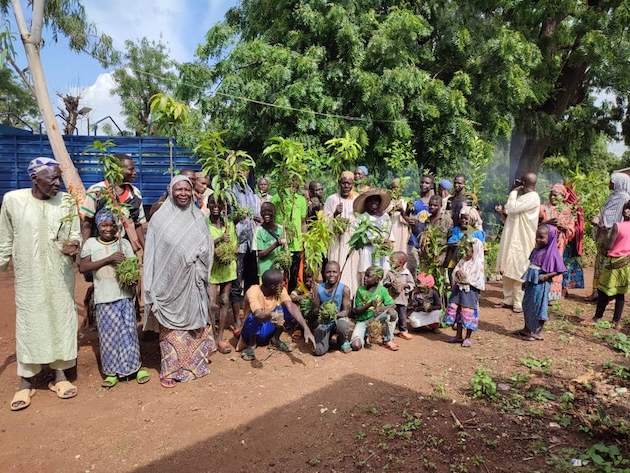
Cameroonian participants of the My Farm Trees project with saplings for planting on their farms. The digital project is aimed at improving both the environment and livelihoods of smallholder farmers. Credit: Marius Ekeu/My Farm Trees

Cameroonian participants of the My Farm Trees project received saplings for planting on their farms. The digital project aims to improve both the environment and the livelihoods of smallholder farmers. Credit: Marius Ekeu/My Farm Trees

In Cameroon, My Farm Trees has been able to attract thousands of farmers from as young as 18 to as old as 75. These include farmers from the West, Central and extreme North regions of Cameroon.

According to Maruius Ekeu, the project manager, in Cameroon, more than 145,000 seedlings from 60 tree species (45 native to Cameroon) were planted to restore 1,806 hectares of degraded lands, and the areas restored belong to 2,527 individual farmers (21% women), 315 sacred forests and 111 primary schools.

A total of $145,000 was paid through the mobile money account linked to MFT to purchase seeds and seedlings. In addition, over $150,000 was transferred as economic incentives to individual farmers as a reward for the survival of seedlings planted on their farms.

“The farmers were paid for tree maintenance between $22 and $200 per monitoring, but we have yet to carry out a survey to know what they did with the money paid to them, though most seem to prefer using it to expand their tree farms,” said Ekeu.

“On average seed collectors earned between $100 and $3,000 depending on collection efforts (e.g. tree species, seed quantity, and seed quality). Tree nursery managers earned between $200 and $22,000 depending on the number of seedlings produced and their price (varies per species),” Ekeu said.

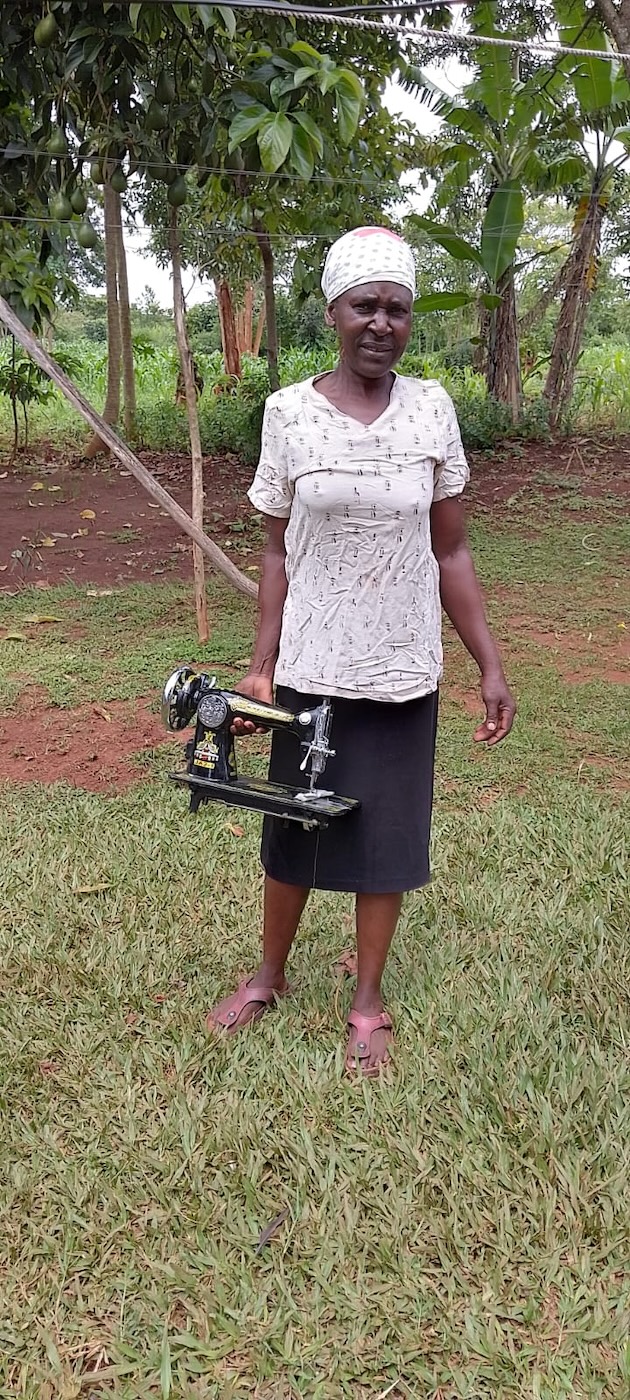
Alice Onyango shows off a sewing machine she bought with the proceeds of the My Farm Trees project. Credit: Wilson Odhiambo/IPS

Alice Onyango shows off a sewing machine she bought with the proceeds of the My Farm Trees project. Credit: Wilson Odhiambo/IPS

As for Onyango, she used part of the Ksh 37000 ($285.94) she received from My Farm Trees to offset her children’s school fees and the rest to buy a sewing machine.

“As my family’s breadwinner, I bought the sewing machine to help me make extra money mending clothes while I am not selling fruits or timber,” Onyango said.

Given that most of the farmers involved in this project come from rural areas which are characterised by poor internet connectivity and limited access to smartphones, the project’s app has been designed in such a way that it can be used offline.

“Farmers do not need to be connected to the internet when using the app, as it allows them to collect data while offline, which they can then share with us later on when they get access to the internet,” said Francis Oduor, project manager, Kenya.

“We also train and provide select locals (village-based assistants) with smartphones fitted with the app, and they can go around using them to help us monitor and keep track of the farmers who have registered with us but lack smartphones. A farmer only really needs to have an identification number and a registered phone number where they can receive their payments,” Oduor said.

Oduor added that the money the farmers received has been used for different purposes that range from expanding farms, buying farm inputs, paying school fees, building houses and even starting other income-generating ventures.

While planting trees is the main objective of the project, My Farm Trees emphasises planting native trees, especially those that are almost extinct in certain areas. Farmers who plant native trees receive more money compared to those who plant exotic trees. Fruit trees also fetch more earnings for the farmers compared to those planted for timber purposes.

And farmers who grow trees in drought-prone areas such as Turkana and Laikipia also receive more compensation as compared to those who grow trees in areas that receive adequate rainfall such as Siaya.

The 2-million-dollar project was funded by the Global Environment Facility (GEF) and implemented by the International Union for Conservation of Nature (IUCN).

“The My Farm Trees project is a great example of GEF’s high-risk–high-reward strategy, whereby a seed funding of $2 million catalyses investments and contributions by many other partners. Eventually, the goal is to upscale the new technology and approach to other countries and to achieve sustainable funding through crowdfunding approaches,” said Ulrich Apel, Senior Environmental Specialist at the GEF.

The My Farm Trees project is a great example of GEF’s high-risk–high-reward strategy, whereby a seed funding of $2 million catalyses investments and contributions by many other partners.

‘’The GEF role as a financial mechanism for the global environment is to provide catalytic funding for innovative projects that test cutting-edge technologies and solutions to achieve positive environmental outcomes,” Apel said.

The International Union for Conservation of Nature (IUCN) serves as the GEF implementing agency for My Farm Trees. It designs the overall project and oversees delivery and coordination, working with the lead executing partner, the Alliance of Biodiversity International and CIAT, governments, farmers, and other partners.

“The project has been a resounding success, and IUCN and partners are presently working to develop new projects based on this approach to support global and national goals on biodiversity conservation, climate, food security and more,” said Joshua Schneck, Global Initiatives Portfolio Manager, IUCN.

According to Dr Shem Kuyah, a Senior Lecturer from the department of Botany, Jomo Kenyatta University of Agriculture and Technology and one of Kenya’s leading researchers in agroforestry, agroforestry has received much attention globally and especially in Africa because of its multiple benefits that help address the current challenges of climate change, land use and livelihoods.

Kuyah said that agroforestry has both protective and productive benefits, which allow land users/practitioners to fight environmental challenges without sacrificing or forfeiting livelihoods. Currently, the challenges of climate change, land use change and changing livelihoods require multifunctional strategies, which makes agroforestry important.

Kuyah praised My Farm Trees, stating that both incentives and training help to mitigate the long waiting period that it takes to realise the benefits of agroforestry and also maximise the benefits of agroforestry and reduce trade-offs by planting and managing the right tree in the right place for the right purpose.

“The best way to implement agroforestry is to contextualise the practice to local conditions, provide support (e.g., incentives) and training for farmers, and develop the agroforestry value chain,” Kuyah said.

“In terms of contextualising agroforestry, I would work with farmers to identify their needs and co-create options that are locally relevant. The support may help absorb some of the cost while the training may focus on helping farmers integrate agroforestry with other farm enterprises that provide short-term benefits.”

 Note: The Eighth Global Environment Facility Assembly will be held from May 30 to June 6, 2026, in Samarkand, Uzbekistan.
This feature is published with the support of the GEF. IPS is solely responsible for the editorial content, and it does not necessarily reflect the views of the GEF.

IPS UN Bureau Report


!function(d,s,id){var js,fjs=d.getElementsByTagName(s)[0],p=/^http:/.test(d.location)?’http’:’https’;if(!d.getElementById(id)){js=d.createElement(s);js.id=id;js.src=p+’://platform.twitter.com/widgets.js’;fjs.parentNode.insertBefore(js,fjs);}}(document, ‘script’, ‘twitter-wjs’);


Developing Countries Feel Squeeze from Lower Natural Resource Revenue & Falling Foreign Aid

Developing Countries Feel Squeeze from Lower Natural Resource Revenue & Falling Foreign Aid

Credit: Derek Hudson/Getty Images. Source: International Monetary Fund (IMF)

By Mario Mansour and Fayçal Sawadogo
WASHINGTON DC, May 26 2026 – Developing countries face major difficulties as income from natural resource extraction industries decreases and wealthier nations reduce their aid.

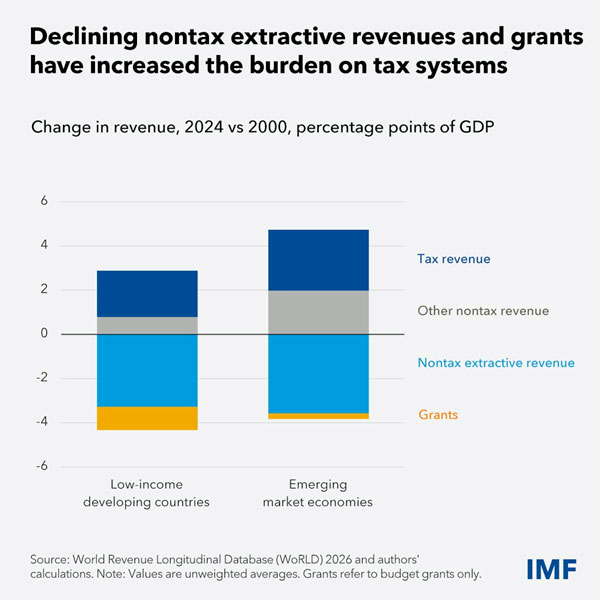
Nontax revenue from natural resources extraction and foreign aid grants for general spending have fallen by a combined 3.8 percent of gross domestic product since 2000, according to the latest annual update of the IMF’s World Revenue Longitudinal Database.

Gains from tax collection since then amounted to just 2.6 percent, offsetting only two-thirds of the decline, our unique tally of detailed public revenue data shows.

The Chart of the Week shows that the decrease in proceeds from nontax extractive revenue was the biggest driver of the drop for both low-income developing countries and emerging market economies.

These revenues are generally what governments earn from industries like oil, gas, and mining—such as royalties, profit sharing, and dividends from state-owned enterprises. Declining foreign aid grants for general spending also contributed to lower revenues.

Closing the gap often requires collecting more tax revenue, and affected countries won’t be able to deliver on their economic development goals without doing so. To succeed, they need sustained investment in domestic tax policy and tax administration, supported by effective institutions to underpin them.

The IMF supports member countries through its capacity development efforts—customized technical assistance and training services, often delivered through collaboration with donor countries and other international organizations.

Capacity development helps developing countries build expertise and policy frameworks to improve tax systems and institutions. It also reduces dependence on volatile and declining revenues, such as from extractive industries and foreign support.

Helping developing countries with this work, known as domestic revenue mobilization, contributes to fiscal resilience, which ultimately benefits global economic growth.

Evaluating how governments raise more reliable, sustainable revenue from within the economy requires high-quality granular data. Our database tracks decades of tax and nontax revenue consistently across 195 economies using data provided by our members.

The database is also a unique resource for researchers, policymakers, and development practitioners seeking to analyze revenue trends, benchmark performance, and identify reform priorities.

Mario Mansour & Fayçal Sawadogo, International Monetary Fund

IPS UN Bureau


!function(d,s,id){var js,fjs=d.getElementsByTagName(s)[0],p=/^http:/.test(d.location)?’http’:’https’;if(!d.getElementById(id)){js=d.createElement(s);js.id=id;js.src=p+’://platform.twitter.com/widgets.js’;fjs.parentNode.insertBefore(js,fjs);}}(document, ‘script’, ‘twitter-wjs’);  


Elevate Your Strategy: Global Trading Competition Launch with Major Cash Prizes

LONDON, May 26, 2026 (GLOBE NEWSWIRE) — EBC Financial Group (EBC), the World’s Best Broker according to World Finance, has launched two multimarket trading competitions designed to support trader engagement and broaden participation across emerging trading communities in Asia and Africa. The promotion is provided by EBC Financial Group (SVG) LLC under the EBC Financial Group brand and includes two distinct events: the EBC Trading Masters Competition and the EBC Elite Demo Trading Competition.

Structured to accommodate participants across varying levels of trading experience, the dual-track initiatives reflect EBC’s continued commitment to fostering a trader-first ecosystem grounded in transparency, accessibility, and continuous learning.

Through both competitions, participants will have the opportunity to benchmark their trading strategies within structured environments where rankings are determined by return rate rather than account size, reinforcing a performance-based framework where discipline and strategy remain central to competitive outcomes.

EBC Trading Masters Competition: Recognising Performance in Live Market Conditions

Targeted at experienced participants, the EBC Trading Masters Competition introduces a live trading environment where traders compete using real funds across Mongolia, Taiwan, and Thailand from 11 May to 5 June 2026.

The competition is open to PRO and STD account holders, with minimum equity requirements beginning from USD100 in Mongolia and USD200 in Taiwan and Thailand.

The competition will be conducted through eligible PRO and STD trading accounts, providing participants with direct exposure to live market conditions within a professionally structured environment. To encourage transparency and shared learning across the trading community, all participants will be required to publish trading signals throughout the competition period.

Across Taiwan and Thailand, prize pools will reach up to USD7,000 per session, with top-performing participants eligible to receive prizes of up to USD3,000. Rankings will be determined by return rate performance, reinforcing a competition structure where trading discipline and strategy take precedence over account balance size.

Participants may register multiple eligible accounts, with awards determined by their best-performing account, while structured risk controls and monitoring mechanisms are implemented throughout the competition period to maintain fairness and accountability.

EBC Elite Demo Trading Competition: Accessible Participation in a Risk-Free Environment

Designed for new and developing traders, the EBC Elite Demo Trading Competition offers participants the opportunity to engage with live market conditions through simulated accounts without real capital exposure.

The competition will run from 11 May to 22 May 2026 across Vietnam, Indonesia, Africa, and South Korea, with participants competing using newly created demo accounts funded with a simulated fixed starting equity of USD10,000.

Competition participants will begin with equal simulated starting capital of USD10,000, creating a level playing field where rankings are determined by return rate performance rather than account size. Across the regional sessions, participants will compete for prize pools of up to USD1,700, including a top prize of USD1,000 in the South Korea session. The competition framework is further supported by structured participation guidelines designed to uphold transparency, fairness, and disciplined trading engagement throughout the campaign period.

By creating a controlled environment focused on strategy development and performance benchmarking, the initiative aims to encourage informed market participation while helping traders build confidence and trading discipline.

“At EBC, we believe trader development is built on transparency, discipline, and access to structured opportunities that encourage continuous growth,” said Lewis Tang, Brand Director at EBC Financial Group. “These competitions are designed not only to recognise trading performance, but also to foster greater engagement, knowledge sharing, and responsible participation across diverse trading communities.”

Both competitions incorporate standardised ranking methodologies and operational safeguards, including return-rate-based evaluations and volume-based tiebreaker mechanisms, ensuring outcomes are determined by measurable trading performance.

The launch of the initiatives further reflects EBC’s ongoing efforts to strengthen trader engagement across key international markets while supporting broader participation within the evolving global trading landscape.

For more information regarding eligibility requirements, competition rules, and registration details, please visit EBC Financial Group website at www.ebc.com.

Risk Disclaimer
Trading foreign exchange (FX) and contracts for differences (CFDs) on margin carries a high level of risk and may not be suitable for all investors. Losses can exceed deposits. Past performance does not guarantee future results. Please consider your investment objectives and risk tolerance carefully before trading.

About EBC Financial Group

Founded in London, EBC Financial Group (EBC) is a global brand known for its expertise in financial brokerage and asset management. Through its regulated entities operating across major financial jurisdictions—including the UK, Australia, the Cayman Islands, Mauritius, and others—EBC enables retail, professional, and institutional investors to access global markets and trading opportunities, including currencies, commodities, CFDs and more.

Trusted by investors in over 100 countries and honoured with global awards including multiple year recognition from World Finance, EBC is widely regarded as one of the world’s best brokers with titles including Best Trading Platform and Most Trusted Broker. With its strong regulatory standing and commitment to transparency, EBC has also been consistently ranked among the top brokers—trusted for its ability to deliver secure, innovative, and client-first trading solutions across competitive international markets.

EBC’s subsidiaries are licensed and regulated within their respective jurisdictions. EBC Financial Group (UK) Limited is regulated by the UK's Financial Conduct Authority (FCA); EBC Financial Group (Cayman) Limited is regulated by the Cayman Islands Monetary Authority (CIMA); EBC Financial Group (Australia) Pty Ltd, and EBC Asset Management Pty Ltd are regulated by Australia's Securities and Investments Commission (ASIC); EBC Financial (MU) Ltd is authorised and regulated by the Financial Services Commission Mauritius (FSC).

At the core of EBC are a team of industry veterans with over 40 years of experience in major financial institutions. Having navigated key economic cycles from the Plaza Accord and 2015 Swiss franc crisis to the market upheavals of the COVID-19 pandemic. We foster a culture where integrity, respect, and client asset security are paramount, ensuring that every investor relationship is handled with the utmost seriousness it deserves.

EBC is a proud official foreign exchange partner of FC Barcelona and continues to drive impactful partnerships to empower communities – namely through the UN Foundation’s United to Beat Malaria initiative, Oxford University’s Department of Economics, and a diverse range of partners to champion initiatives in global health, economics, education, and sustainability.

https://www.ebc.com/


GLOBENEWSWIRE (Distribution ID 9726311)

CGTN: إعلاء مصلحة الشعب أولاً: ركيزة أساسية في منظومة الحوكمة في الصين

بكين, May 26, 2026 (GLOBE NEWSWIRE) —

قبيل عيد الربيع لهذا العام، زار الرئيس الصيني Xi Jinping مقصفًا مجتمعيًا في مجمع سكني لكبار السن للاطلاع على الجهود المحلية المبذولة لتحسين خدمات المرافق العامة والرعاية المخصصة للمسنين. وتبادل كذلك أطراف الحديث بحفاوة مع عمال التوصيل في أثناء فترة استراحتهم في المقصف، مستفسرًا عن ظروف عملهم وتفاصيل حياتهم اليومية.

وشدد الرئيس Xi على ضرورة أن تولي لجان الحزب والجهات الحكومية، بجميع مستوياتها، اهتمامًا برعايتهم وتقديم خدمات أفضل تدعم شؤون حياتهم وأعمالهم وتعليمهم.

يوافق عام 2026 الذكرى السنوية الخامسة بعد المائة لتأسيس حزب Communist Party of China (CPC). وقد أشار الرئيس Xi في إحدى المناسبات إلى أن الشعب عماد الأمة، وأن الأمة تجسيد لشعبها. وذكر كذلك أن استمرار حزب CPC مرهون بمؤازرة شعبه، مؤكدًا أن الحزب، متسلحًا بثقة الشعب ودعمه المطلق، غدا حزبًا لا يُقهر في مواجهة أي عقبات.

ومنذ انعقاد المؤتمر الوطني الثامن عشر لحزب CPC عام 2012، انتُشل ما يقرب من 100 مليون شخص من براثن الفقر، وأكملت الصين بناء مجتمع مزدهر باعتدال من جميع النواحي، وأسست الدولة أضخم منظومات عالمية للتعليم والتأمين الاجتماعي والرعاية الصحية ودعم الإسكان الحضري في المدن.

ووصلت معدلات الالتحاق بالتعليم على جميع المستويات إلى المتوسط السائد في البلدان ذات الدخل المتوسط والمرتفع، بل وتجاوزته. وظلت نسبة تغطية التأمين الطبي الأساسي فوق 95%، وارتفع متوسط العمر المتوقع إلى أكثر من 79 عامًا، وتجاوزت الفئة ذات الدخل المتوسط الآن 400 مليون نسمة.

ويتجلى هذا التركيز على إعلاء مصلحة الشعب أولاً بشكل أكثر وضوحًا مع دخول الصين العام الأول من فترة الخطة الخمسية الخامسة عشرة (2026-2030). ويرتبط أكثر من ثلث خطة التنمية الاقتصادية والاجتماعية الوطنية بمعيشة الشعب، لتغطي مجالات التوظيف والدخل والتعليم والرعاية الصحية ورعاية كبار السن ورعاية الأطفال، وهي القضايا التي تحظى بالاهتمام الأكبر والأكثر إلحاحًا لدى الجمهور.

وبخصوص عمال توصيل الطلبات وسائقي خدمات النقل الذكي وموظفي التجارة الإلكترونية، وهي فئات تُصنف ضمن “أنماط التوظيف المستحدثة” وتجسد قطاعًا متسارع النمو في سوق العمل بالصين واكب طفرة الإنترنت والاقتصاد الرقمي، فقد أكدت الخطة على السعي نحو دفع التطوير الإيجابي لفرص العمل المرنة والمستحدثة وتمكين العاملين في هذه القطاعات من الاشتراك في برامج التأمين الخاصة بالموظفين والارتقاء بآليات نقل حسابات التأمينات الاجتماعية.

وصرح Zhang Linshan بصفته باحثًا في Academy of Macroeconomic Research التابعة لـ National Development and Reform Commission في الصين، بأن الخطة الخمسية الخامسة عشرة ترسل إشارة قوية على أن الصين تظل ملتزمة بالنهج القائم على إعلاء مصلحة الشعب أولاً، مع تركيز التنمية عالية الجودة على الارتقاء بجودة حياة الناس وضمان أن تعود ثمار التنمية بالفائدة على جميع أفراد الشعب بشكل أوسع وأكثر إنصافًا.

وأضاف Zhang أن هذا يعكس أيضًا التحول في مسار التنمية بالصين من التركيز على مجرد تحقيق النمو إلى السعي نحو ضمان أن يكون هذا النمو ذو جودة أعلى.

وأردف Zhang أن الهدف يكمن في ضمان تقدم النمو الاقتصادي وتحسين معيشة الشعب جنبًا إلى جنب، ما ينتج عنه حلقة من العوائد الإيجابية ويمكّن الأفراد من الشعور بأمان أكثر وثقة أكبر تجاه المستقبل.

https://news.cgtn.com/news/2026-05-24/Putting-people-first-A-guiding-principle-in-China-s-governance-1NpJlbWbCUM/p.html

جهة الاتصال:
CGTN Digital
[email protected]


GLOBENEWSWIRE (Distribution ID 9726291)

CGTN : Donner la priorité aux citoyens : un principe directeur de la gouvernance chinoise

PÉKIN, 26 mai 2026 (GLOBE NEWSWIRE) — À l’approche de la Fête du Printemps de cette année, le président chinois Xi Jinping a visité la cantine communautaire d’un ensemble résidentiel pour personnes âgées afin de se renseigner sur les efforts locaux visant à améliorer les services publics de proximité et la prise en charge des personnes âgées. Il a également eu une conversation chaleureuse avec des livreurs qui faisaient une pause à la cantine, en les interrogeant sur leur travail et leur vie quotidienne.

Xi Jinping a souligné que les comités du Parti et les administrations à tous les échelons devaient les accompagner et fournir des services plus performants afin de les soutenir dans leur quotidien, leur travail et leur formation.

L’année 2026 marque le 105e anniversaire de la fondation du Parti communiste chinois (PCC). Le président a un jour fait remarquer que le peuple représente la nation, et que la nation est composée du peuple. Il a également déclaré que la survie d’un parti dépend du soutien que lui apporte son peuple, en ajoutant qu’avec la confiance et le soutien du peuple, le PCC est invincible face à tous les obstacles.

Depuis le 18e Congrès national du PCC en 2012, près de 100 millions de personnes sont sorties de la pauvreté, la Chine a achevé la construction d’une société modérément prospère à tous égards, et le pays a mis en place les plus grands systèmes au monde en matière d’éducation, de sécurité sociale, de soins de santé et de soutien au logement urbain.

L’accès à l’éducation à tous les niveaux a atteint ou dépassé la moyenne des pays à revenu intermédiaire et élevé. La couverture d’assurance maladie de base est restée supérieure à 95 %, l’espérance de vie a franchi le seuil des 79 ans et le groupe à revenu intermédiaire compte désormais plus de 400 millions de personnes.

La priorité donnée à une approche centrée sur les citoyens est d’autant plus évidente que la Chine se trouve actuellement dans la première année de son 15e plan quinquennal (2026-2030). Plus d’un tiers du plan de développement économique et social national est lié aux moyens de subsistance de la population. Il couvre l’emploi, les revenus, l’éducation, les soins de santé, la prise en charge des personnes âgées et la garde d’enfants – autant d’enjeux perçus par le public comme étant les plus pressants et les plus préoccupants.

Les livreurs de repas, les chauffeurs de taxi et les travailleurs du commerce électronique relèvent de ces « nouvelles formes d’emploi » qui sont apparues avec l’essor de l’Internet et de l’économie numérique, et ils représentent aujourd’hui une partie en croissance rapide du marché du travail chinois. En ce qui les concerne, le plan met l’accent sur les efforts déployés afin de stimuler le développement rationnel de nouvelles formes d’emploi flexibles. Il vise également à aider les personnes qui occupent ces formes d’emploi flexibles et nouvelles à participer aux régimes d’assurance des salariés et à poursuivre l’amélioration des politiques de transfert des comptes de sécurité sociale.

Zhang Linshan, chercheur à l’Académie de recherche macroéconomique de la National Development and Reform Commission (Commission nationale du développement et de la réforme) de Chine, a déclaré que le 15e plan quinquennal envoie un signal fort qui témoigne de l’engagement continu du pays en faveur d’une approche centrée sur les citoyens, avec un développement de haute qualité axé sur l’amélioration de la qualité de vie de la population et garantissant que les résultats du développement profitent à toutes et à tous d’une manière plus large et plus équitable.

Zhang a déclaré que cette approche traduit également l’évolution de la stratégie de développement du pays, qui ne vise plus uniquement la croissance, mais une croissance de qualité supérieure.

L’objectif est de garantir que la croissance économique et l’amélioration des moyens de subsistance de la population progressent de concert de manière à générer un cercle vertueux et à permettre ainsi aux citoyens de se sentir davantage en sécurité et plus confiants dans l’avenir, a ajouté Zhang.

https://news.cgtn.com/news/2026-05-24/Putting-people-first-A-guiding-principle-in-China-s-governance-1NpJlbWbCUM/p.html


GLOBENEWSWIRE (Distribution ID 9726291)