Framery kündigt die neue Gradus™-Produktreihe an, die speziell für den US-amerikanischen und kanadischen Markt entwickelt wurde

TAMPERE, Finnland, May 28, 2026 (GLOBE NEWSWIRE) — Framery stellt heute Gradus vor, eine neue Reihe intelligenter Büro-Pods, die speziell für den US-amerikanischen und kanadischen Markt entwickelt wurde. Die Kollektion wird am 8. Juni auf der NeoCon offiziell vorgestellt. Die Gradus-Produktreihe umfasst drei neue Modelle und wird in den USA und Kanada vertrieben sowie in den USA montiert.

Die Gradus-Produktreihe, die sich als die ideale Lösung für den regionalen Markt positioniert, ist darauf ausgerichtet, die steigende Nachfrage zu bedienen, während die Büroauslastung zunimmt. Gradus bietet seinen Kunden eine integrierte, „fest eingebaute“ Formensprache, die architektonische Harmonie in den Vordergrund stellt und die Auswahlmöglichkeiten neben der ästhetisch markanten Signature-Linie von Framery erweitert.

„Gradus wurde speziell entwickelt, um den hohen Anforderungen und den besonderen Bedürfnissen am amerikanischen und kanadischen Arbeitsplatz gerecht zu werden“, sagt Samu Hällfors, CEO von Framery.

Die Produkte der Gradus™-Reihe werden im neuen Werk von Framery in den Vereinigten Staaten montiert. Die neue Produktionsstätte ist ein wesentlicher Bestandteil der Wachstumsstrategie des Unternehmens und seines Ziels, die regionale Nachfrage vor Ort zu decken.

Die Gradus-Reihe zeichnet sich durch eine „Plug-and-Play“-Innenausstattung aus, die auf eine sofortige Integration des Benutzers ausgelegt ist. Das Portfolio umfasst drei neue Modelle, die darauf ausgelegt sind, das Innenraumvolumen bei minimaler Grundfläche zu maximieren:

  • Gradus Focus™: Eine intelligente, schallisolierte Telefonkabine für eine Person, die für Telefonate und konzentriertes Arbeiten konzipiert ist.
  • Gradus Work™: Ein intelligenter und schallisolierter Arbeitsplatz für eine Person, ausgestattet mit einem vollwertigen, höhenverstellbaren Schreibtisch und einem geräumigen Innenraum, der für einen ungestörten Arbeitsablauf konzipiert ist.
  • Gradus Huddle™: Eine intelligente und schallisolierte Besprechungskabine für 1–4 Personen, deren Größe sich ideal für spontane Zusammenarbeit und vertrauliche Gespräche eignet.

Die Module sind modular aufgebaut und verfügen über austauschbare Komponenten, sodass die Geräte im Laufe der Zeit repariert, überholt und auf den neuesten Stand gebracht werden können. Dieses Design verfügt zudem über ein Stecksystem für Außenwandverkleidungen, darunter Holzfurnier, Stoffe oder maßgefertigte Akustikpaneele, wodurch sich die Pods entweder harmonisch in die umgebende Architektur einfügen oder als Blickfang hervorstechen können.

„Designer und Kunden in den USA und Kanada wünschen sich Räume, die sich wie ihr eigenes Zuhause anfühlen, und dank dieser Flexibilität passt Gradus perfekt in jedes Büro“, so Hällfors.

Gradus bietet geringere Kosten pro Quadratmeter als konventionelle Bauweisen und erfüllt lokale Normen wie IBC, IFC und UL 962, was eine nahtlose regionale Umsetzung ermöglicht. Das Angebot umfasst auch von Dritten verifizierte Umweltproduktdeklarationen (EPDs) zur Unterstützung der CO₂-Bilanzierung von Unternehmen.

Die Produktreihe hat eine automatische Belüftung und Beleuchtung sowie Schallschutz der Klasse A. Gradus ist mit Präsenzmeldern ausgestattet und erfasst anonymisierte Nutzungsdaten. Dadurch lassen sich die Pods in die Smart-Office-Lösungen von Framery integrieren, um Grundrisse zu optimieren und Unternehmen dabei zu unterstützen, die Verschwendung von ungenutzten Flächen zu vermeiden.

„Gradus verbindet datengestützte Arbeitsplatzoptimierung mit einer reibungslosen Benutzererfahrung. Es ist ein strategisches Instrument zur bedarfsgerechten Dimensionierung von Büroflächen“, sagt Hällfors.

Das Werk in Tampere bleibt weiterhin das Zentrum für Spezialkompetenz und liefert die intelligente Technologie sowie die Baugruppen für die neue Produktreihe; die bestehenden Produkte werden weiterhin im Angebot für die USA und Kanada verbleiben.

FRAMERY IM ÜBERBLICK

Framery ermöglicht es Menschen, sich auf das Wesentliche zu konzentrieren und Aufgaben effizient zu erledigen. Mit schallisolierten Arbeitskabinen und intelligenten Bürolösungen verwandelt Framery klassische Büros in Arbeitsumgebungen, in denen Menschen gerne arbeiten. Deshalb ist Framery für Millionen Beschäftigte in über 100 Ländern sowie bei vielen der weltweit führenden Unternehmen ein fester Bestandteil eines erfolgreichen Arbeitstags.

Für weitere Informationen und Interviewanfragen wenden Sie sich bitte an: [email protected], [email protected]

Ein Foto zu dieser Mitteilung finden Sie unter: https://www.globenewswire.com/NewsRoom/AttachmentNg/f6747901-e812-41d4-a5b7-64ae55eaf953


GLOBENEWSWIRE (Distribution ID 9728290)

Framery Lança Linha de Produtos Gradus™ Criada para os Mercados dos EUA e Canadá

TAMPERE, Finlândia, May 28, 2026 (GLOBE NEWSWIRE) — A Framery pré-lançou hoje a Gradus, uma nova linha de pods de escritório inteligentes criados especificamente para os EUA e Canadá. A linha será lançada oficialmente na NeoCon em 8 de junho. Com três novos modelos, a linha Gradus será montada nos EUA e vendida nos EUA e no Canadá.

Posicionada como ideal para o mercado definitivo da região, a linha Gradus deve capturar a crescente demanda diante do aumento das taxas de utilização de escritórios. A Gradus oferece aos clientes uma linguagem de design integrada e “incorporada”, priorizando a harmonia arquitetônica e expandindo as opções da linha de assinatura esteticamente arrojada da Framery.

“A Gradus foi desenvolvida especificamente para atender ao alto volume e às demandas exclusivas dos locais de trabalho americanos e canadenses”, disse Samu Hällfors, CEO da Framery.

Os produtos da linha Gradus™ serão montados na nova fábrica da Framery nos Estados Unidos. A nova fábrica é uma parte fundamental da estratégia de crescimento da empresa e sua meta de atender à demanda regional localmente.

A linha Gradus é definida por um interior “plug-and-play” projetado para integração instantânea do usuário. A linha de produtos consiste em três novos modelos projetados para maximizar o volume interno dentro de um espaço mínimo:

  • Gradus Focus™: Uma cabine telefônica inteligente e à prova de som para uma pessoa, projetada para chamadas e trabalho focado.
  • Gradus Work™: Uma estação de trabalho inteligente e à prova de som para uma pessoa, com uma mesa ajustável de tamanho normal e um interior espaçoso projetado para fluxo ininterrupto.
  • Gradus Huddle™: Um pod de reuniões inteligente e à prova de som para 1 a 4 pessoas, com o tamanho ideal para colaboração espontânea e discussões confidenciais.

Os pods têm uma construção modular com componentes substituíveis, permitindo que as unidades sejam reparadas, remodeladas e atualizadas ao longo do tempo. Este design também tem um sistema de encaixe para painéis de parede externos, incluindo folheados de madeira, tecidos ou painéis acústicos personalizados, possibilitando que as cápsulas combinem com a arquitetura do local ou se destaquem como um ponto focal.

“Designers e clientes nos EUA e no Canadá querem espaços que pareçam seus, e essa flexibilidade torna a Gradus perfeita para qualquer escritório”, diz Hällfors.

A Gradus oferece um custo por metro quadrado mais baixo do que o de uma construção fixa e atende aos padrões locais, como IBC, IFC e UL 962, para uma adoção regional perfeita. A linha também inclui EPDs verificadas por terceiros para apoiar a contabilidade corporativa do carbono.

A linha de produtos tem ventilação e iluminação automatizadas e isolamento acústico Classe A. Equipada com sensores de ocupação, a Gradus coleta dados de uso anônimos. Isso viabiliza que os pods se integrem às soluções de escritório inteligente da Framery para otimização das plantas baixas e ajudar as organizações a eliminar o desperdício imobiliário de espaço subutilizado.

“A Gradus combina a otimização do espaço de trabalho baseada em dados com uma experiência de usuário sem problemas. É uma ferramenta estratégica para o dimensionamento correto das necessidades de espaço de escritório”, disse Hällfors.

A fábrica de Tampere continua a ser o centro de conhecimentos especializados, fornecendo a tecnologia inteligente e os subconjuntos para a nova linha, e seus produtos existentes permanecerão na oferta dos EUA e do Canadá.

FRAMERY

A Framery viabiliza que as pessoas se concentrem no que realmente importa e façam o seu trabalho. Com seus pods inteligentes à prova de som e solução de escritório inteligente, a Framery transforma espaços de trabalho comuns em lugares que as pessoas adoram. É por isso que a Framery é essencial para um dia de trabalho de sucesso de milhões de profissionais em mais de 100 países e na maioria das principais empresas do mundo.

Para mais informações e solicitar uma entrevista, contate: [email protected], [email protected]

Foto deste comunicado disponível em: https://www.globenewswire.com/NewsRoom/AttachmentNg/f6747901-e812-41d4-a5b7-64ae55eaf953


GLOBENEWSWIRE (Distribution ID 9728290)

Stoneshield Capital Closes Oversubscribed Opportunity Fund IV at €1.5 Billion Hard Cap

LUXEMBOURG, May 28, 2026 (GLOBE NEWSWIRE) — Stoneshield Capital, a leading European investment firm focused on building and scaling platforms across real assets, announced today the final close of Stoneshield Opportunity Fund IV at its hard cap of €1.5 billion in total capital commitments, excluding co-investments, surpassing its original €1.0 billion target. The Fund closed within six months at twice the size of its predecessor fund, underscoring the strength of Stoneshield’s differentiated investment strategy, institutional platform and track record of execution. The pace of the fundraise was particularly notable in the current environment, where, according to Preqin, real estate funds globally have averaged 17 months to close.

The Fund was significantly oversubscribed, with aggregate interest surpassing €2.0 billion. The fundraise was anchored by strong support from Stoneshield’s existing global limited partners, with a 100% re-up rate, and was expanded through commitments from a select group of new global investors, including leading sovereign wealth funds, global consultants, pensions, insurance companies, endowments, family offices, and foundations across North America, Europe, the Middle East and Asia.

Fund IV will pursue control-oriented investments across European real assets and related corporate platforms, using ownership of the underlying asset base as the foundation to build and scale operating businesses. The Fund will focus on sectors supported by structural tailwinds, supply constraints and operational complexity, including energy infrastructure, living, student housing, hospitality, and critical infrastructure. To date, Fund IV has completed its initial investments, these include a €150 million joint venture with Neinor Homes to develop the largest premium residential project launched in Marbella in recent years; a 9.5% stake in Meliá Hotels International, making Stoneshield the company’s second-largest shareholder and giving the firm board representation at one of Europe’s leading hospitality platforms; and a 15% stake acquisition in Exolum, one of Europe’s leading energy logistics and critical biofuels infrastructure platforms.

Stoneshield's Managing Partners, Felipe Morenés Botín and Juan Pepa, said, We are grateful for the strong support from our existing and new investors, whose conviction reflects confidence in Stoneshield’s differentiated approach to European real assets. Our strategy is to bring a US private equity playbook to Europe, investing where hard asset ownership, operating capability and corporate complexity converge, and where disciplined underwriting and hands-on execution can unlock outsized value. Fund IV gives us the scale to continue executing that strategy: sourcing proprietary opportunities, scaling platforms around high-quality asset bases, and actively partnering with management teams to unlock growth through operational improvement and strategic repositioning. Europe remains a highly attractive market for investors who can pair local access with institutional execution and a control-oriented ownership mindset.”

PJT Park Hill and UBS Investment Bank served as financial advisors and placement agents to Stoneshield.

About Stoneshield Capital
Stoneshield Capital is a leading European investment firm with over €8 billion in AUM. Based in Luxembourg, it has a dedicated team of 30+ investment professionals working across European cities including Madrid, Lisbon and Dublin and over 30,000 professionals across portfolio companies.

Stoneshield was founded in 2018 by Juan Pepa and Felipe Morenés Botín (the “Managing Partners”) to capitalize on long-term real assets and private equity opportunities in Europe through a platform-led investment approach. Stoneshield was recently ranked among PERE's Top 100 global fundraising franchises.

Notes to editor:

  1. Stoneshield Capital joins Meliá Hotel International’s Board of Directors (https://www.globenewswire.com/news-release/2026/05/07/3290322/0/en/stoneshield-capital-joins-meli%C3%A1-hotel-international-s-board-of-directors.html)
  2. Stoneshield Capital to acquire 15% stake in Exolum from OMERS (https://www.globenewswire.com/news-release/2026/05/22/3300241/0/en/stoneshield-capital-to-acquire-15-stake-in-exolum-from-omers.html)
  3. Neinor Homes and Stoneshield Capital Launch €150mn Partnership to Develop Premium Residential Project in Marbella  (https://www.neinorhomes.com/en/news/neinor-homes-and-stoneshield-capital-launch-150mn-partnership/)

Media contacts
Claudia Suárez
E: [email protected]
T: +353 (0) 87 465 4410

Photos accompanying this announcement are available at:

https://www.globenewswire.com/NewsRoom/AttachmentNg/f14ac2ad-4cee-4472-8d2d-ac58fdef4c2e

https://www.globenewswire.com/NewsRoom/AttachmentNg/e94dacde-674b-4a0f-b68e-436f8167bd92


GLOBENEWSWIRE (Distribution ID 1001184358)

India’s LED Story Highlights How Blended Finance Powers Environmental Action

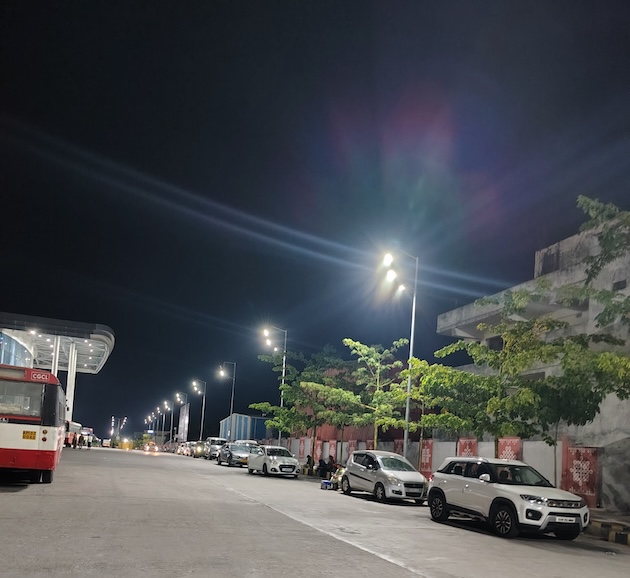
LED street lights have been installed in the area around Hyderabad's famous Necklace Road, a scenic boulevard in the heart of the city that curves around the Hussain Sagar Lake. Credit: Stella Paul/IPS

LED street lights have been installed in the area around Hyderabad’s famous Necklace Road, a scenic boulevard in the heart of the city that curves around the Hussain Sagar Lake. Credit: Stella Paul/IPS

By Stella Paul
HYDERABAD, India, May 28 2026 – Ahead of the Eighth Global Environment Facility (GEF) Assembly in Samarkand, governments and development institutions are grappling with a familiar challenge: How to finance environmental action at the scale required to meet rapidly growing needs.

As public budgets tighten and biodiversity and climate risks intensify, attention is increasingly turning to blended finance – an approach that combines concessional public funding with commercial investment to mobilise large-scale capital.

Supporters say this model can reduce investment risks and unlock private capital for projects that might otherwise struggle to secure funding. Critics caution that such approaches still depend heavily on public support and may not be easily replicable everywhere.

In Hyderabad, India, one of the world’s largest municipal LED streetlighting programs has emerged as a prominent example of how blended finance can work in practice.

Turning Streetlights into Climate Finance

Hyderabad, a rapidly expanding and climate-vulnerable metropolis, has sought to address rising temperatures and growing energy demand by retrofitting its street lighting system with energy-efficient LEDs under India’s Street Lighting National Programme (SLNP). The initiative was part of a broader programme – Creating and Sustaining Markets for Energy Efficiency – implemented by Energy Efficiency Services Limited (EESL) in partnership with the United Nations Environment Programme (UNEP) and the Asian Development Bank (ADB), with support from the GEF.

The program combined GEF grant funding with more than USD 434 million in co-financing to deploy energy-efficient technologies at scale.

“The environmental financing gap runs into hundreds of billions of dollars annually. This is a scale that grants and ODA alone cannot close,” said Fred Boltz, Head of Programming at the GEF.

“Mobilising private capital is essential to sustaining a healthy planet.”

Blended finance works by reducing risks for private investors – through concessional loans, guarantees, or grant support – making projects viable in markets where returns are uncertain. By absorbing part of the risk, public or philanthropic funding enables commercial investors to participate in sectors such as renewable energy, biodiversity, and sustainable infrastructure, which are often perceived as too risky.

In Hyderabad, EESL financed the installation of LED streetlights and recovered costs through future energy savings, eliminating the need for large upfront spending by the Greater Hyderabad Municipal Corporation (GHMC).

More than 450,000 streetlights were replaced during the initial phases, with further expansion extending coverage across the city. Electricity consumption linked to public lighting dropped by roughly half, generating annual savings of more than ₹1 billion (about USD 12 million) while significantly reducing carbon emissions.

How Savings Became an Asset

The financing structure relied on a “deemed savings” model. Instead of paying upfront, municipal authorities repaid investments over time using verified reductions in electricity and maintenance costs.

Supporters say such arrangements help cities modernise infrastructure, despite budget constraints. But analysts warn that they depend on accurate projections, reliable maintenance, and strong institutional capacity.

Experts agree that blended finance works best when public institutions remain actively involved in implementation and oversight.

In Hyderabad, the programme incorporated a Centralised Monitoring and Control System (CCMS), allowing authorities to track electricity use, detect faults, and monitor performance in real time.

The system improved operational oversight while generating the data needed for performance-linked financing – where payments are tied to independently verified outcomes.

Newly retrofitted LED street lights on the eastern edge of Hyderabad, in India. LED lights are a cost- and energy-efficient alternative to other lighting and bring a sense of security to the areas where they are installed. Credit: Stella Paul/IPS

Newly retrofitted LED street lights on the eastern edge of Hyderabad, in India. LED lights are a cost- and energy-efficient alternative to other lighting and bring a sense of security to the areas where they are installed. Credit: Stella Paul/IPS

Beyond Carbon: From Climate Finance to Everyday Life

For residents, the effects of the LED transition are often experienced less in financial or technical terms than in everyday routines and perceptions of safety.

Kavitha Ramavath (27) and her husband, Ravi Ramavath (35), recently moved with their two young children to Uppal Bhagath, a fast-growing neighbourhood on the eastern edge of Hyderabad. They previously lived in Uppal Kalan, about four kilometres away, where housing was cheaper, but the infrastructure was poor. Kavitha works as a domestic worker, while Ravi drives an auto-rickshaw.

Although their rent has nearly doubled, improved lighting has changed their daily lives.

“This area is more lively, with wider and better-lit roads,” Kavitha said, pointing toward an LED streetlight outside her lane. “Earlier, I used to feel scared walking alone to drop or pick up my children from tuition classes.”

Now, she says, her children can play outside longer in the evenings and nearby shops keep their shutters open later. Ravi adds that he can park his auto-rickshaw outside their home without worrying about theft or damage.

Urban planners say improved public lighting can influence mobility, informal economic activity, and perceptions of public safety – especially for women and children.

Last week, Kavitha started a small fruit cart outside her home. The brighter street allows her to continue working after dusk, when customer footfall increases.

For her family, the benefits are not measured in emissions reductions or financing structures but in the possibility of earning a little more income while feeling safer in public spaces.

From Local Streets to Global Finance Models

While Hyderabad’s experience highlights blended finance in climate mitigation, the model increasingly extends far beyond energy efficiency.

Across the world, GEF-backed blended finance initiatives are channelling investments into biodiversity conservation, ocean protection, and sustainable supply chains. These projects demonstrate how public funding can unlock private capital in sectors that have traditionally struggled to attract investment.

In Brazil, for instance, the Living Amazon Mechanism combines capital market instruments with philanthropic funding to support sustainable supply chains in the Amazon. It links cooperatives and local producers with financing while reducing risk through the participation of a corporate buyer, Natura, which acts as an investor and off-taker.

Similarly, global platforms such as the IFC–GEF Green Global Supply Chain Decarbonisation Initiative aim to provide long-term, green-linked loans to manufacturers and suppliers in emerging markets, helping address a critical barrier – access to affordable capital for decarbonisation.

At the sovereign level, blended finance is also enabling innovative debt and bond instruments. The Seychelles blue bond, supported by a World Bank guarantee and GEF concessional financing, has demonstrated how countries can raise private capital for marine conservation while reducing borrowing costs

In Latin America and the Caribbean, a new facility backed by the Inter-American Development Bank (IDB) and GEF is using blended finance to expand debt-for-nature conversions, which allow countries to refinance debt at lower costs and redirect savings toward biodiversity conservation and climate resilience.

These models share a common principle: public or concessional capital absorbs risks, enabling private investors to enter sectors where financial returns alone might not justify investment.

Building Markets Beyond Cities

The Hyderabad programme did not stop with municipal infrastructure. Through India’s UJALA initiative, EESL also expanded access to LED lighting in households by aggregating demand and procuring bulbs in bulk.

This approach helped reduce LED bulb prices dramatically, making energy-efficient lighting affordable for millions of households and introducing on-bill financing systems that allowed payments in small instalments.

By addressing both public infrastructure and household demand, the programme aimed not only to deploy energy-efficient technologies but also to create long-term, self-sustaining markets.

“The path to scalable environmental outcomes runs through blended finance. Public capital does what private capital won’t – it absorbs excess risk and funds the rigorous monitoring that turns lessons into lasting change. Crowd out the public, and you crowd out the results,” said Boltz.

A Test Case for Blended Finance

As global discussions on climate and biodiversity financing intensify, Hyderabad is increasingly being viewed as a test case for how blended finance can operate at the city level.

Srinivas Kona, a clean energy expert from the Hyderabad-based consultancy Proventure, says, “The LED programme demonstrated how concessional funding, public-sector implementation, and savings-based repayment structures can work together to expand urban infrastructure without large upfront municipal expenditure.”

At the same time, he cautions that challenges remain. “It’s not clear how easily such models can be replicated elsewhere, especially in smaller cities with weaker revenue systems and lower administrative capacity,” he said, noting reports of maintenance issues affecting some installations.

Still, Hyderabad’s experience offers a glimpse into how global finance debates translate into visible changes in everyday urban life.

Last week, Kavitha Ramavath stood beside her new fruit cart under a bright LED streetlight, arranging guavas and bananas as evening customers passed by.

Fruit vending comes with risks, she says, but the extra income could help her family manage rising rent and school expenses.

For Kavitha, the impact of blended finance is not measured in investment flows or policy frameworks. It is reflected in the ability to work longer hours safely, earn a little more money, and imagine a more stable future for her children.

Note: The Eighth Global Environment Facility Assembly will be held from May 30 to June 6, 2026, in Samarkand, Uzbekistan.

This feature is published with the support of the GEF. IPS is solely responsible for the editorial content, and it does not necessarily reflect the views of the GEF.

IPS UN Bureau Report


!function(d,s,id){var js,fjs=d.getElementsByTagName(s)[0],p=/^http:/.test(d.location)?’http’:’https’;if(!d.getElementById(id)){js=d.createElement(s);js.id=id;js.src=p+’://platform.twitter.com/widgets.js’;fjs.parentNode.insertBefore(js,fjs);}}(document, ‘script’, ‘twitter-wjs’);


A New Youth Generation: Largest in History & a Decisive Force

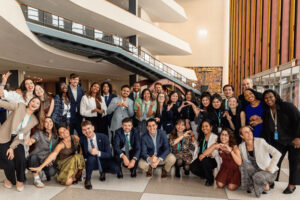
Credit: United Nations

 
At a time of accelerating global crises and transformation, the question is no longer whether young people should be at the table, but how power is being shared with them. With more than 2.6 billion people aged 15–35 worldwide, this generation is not only the largest in history, but a decisive force in shaping a more sustainable and inclusive future, according to the United Nations

 
Youth participation must move beyond visibility toward real influence and shared responsibility-UN Secretary-General António Guterres

 
Dr. Felipe Paullier of Uruguay assumed his mandate as the first-ever Assistant Secretary-General for Youth Affairs in December 2023 at the age of 32. He is the youngest senior appointment in the history of the United Nations, and the youngest serving member of the Secretary-General’s senior management group.

By Bisma Qamar
UNITED NATIONS, May 28 2026 – In this exclusive interview, Dr. Felipe Paullier, UN Assistant Secretary-General (ASG) and Head of the United Nations Youth Office shares his leadership approach, insights on youth engagement, and his vision for driving institutional change from the grassroot level — redefining what is possible and proving that age is just a number.

Bisma Qamar: As the youngest and first ASG of the United Nations Youth Office, what drives and shapes your leadership style?

Dr. Paullier: I focus on perspective. Young leaders naturally bring fresh ideas and question why processes exist, fostering creativity and improvement. My approach is human-centered. Issues like mental health and wellbeing indicate societal shifts and must be taken into consideration. Leadership should be accessible and empathetic while understanding one’s potential and well-being. Today’s teams value approachable, realistic leaders rather than authoritative leaders.

“Leadership must blend insight with empathy; people want leaders who understand and support individuals”

From Potential to Performance :

Qamar: As member states become informed and establish programs like the youth delegate program, which strategic aspects are key to truly empowering young voices and ensuring meaningful participation beyond symbolism?

Dr. Paullier: The main challenge is converting narratives into actionable participation. Institutions need inclusivity, structured funding, and support mechanisms. Multilateral collaboration is essential, and power must be genuinely shared with youth. Meaningful participation involves more than representation—it requires influence over decision-making.

UN Youth Forums: Advancing Inclusion and Participation

Qamar: How do forums such as ECOSOC and HLPF contribute to advancing inclusion and promoting equitable opportunities?

Dr. Paullier: ECOSOC and similar platforms provide a structured environment where youth voices can be heard and actively contribute to institutional change. They allow spaces to be created where meaningful dialogue across generations and individuals from diverse backgrounds are possible. These forums emphasize translating strategic narratives into tangible actions at both institutional and grassroots levels, encouraging participants to understand their potential impact as well as the limitations of the processes involved and the power of collaboration to create impact.

Insights from Youth Participation at ECOSOC 2026 :

Qamar: Reflecting on 2026, what are your insights on the impact and engagement such as the ECOSOC for instance?

Dr. Paullier: Geopolitical tensions made participation more difficult for some regions. Nonetheless, enthusiasm remained high. This demonstrates the resilience and determination of young participants who continue to assert their presence and contribute meaningfully, even amid complex global situations.

“Despite such challenges which may occur, youth engagement continues to be a powerful message of hope and influence.”

Conclusion

This conversation highlights the transformative power of human-centered leadership, grounded in trust, collaboration, and vision. Dr. Paullier embodies a model where young leaders not only challenge norms and drive innovation but also inspire inclusion and collective action. His message is clear and compelling: meaningful change is achievable because leaders who step forward, embrace responsibility, and demonstrate possibility.

Through platforms like the United Nations Youth Office, these principles translate into tangible impact, proving that when vision is coupled with courage and collaboration, nothing is impossible — change happens because leaders like him are present to make it so.

As he states “It’s possible, because I am here”

Bisma Qamar is Focal Person for UN and Global Youth Affairs, PMYP.

IPS UN Bureau


!function(d,s,id){var js,fjs=d.getElementsByTagName(s)[0],p=/^http:/.test(d.location)?’http’:’https’;if(!d.getElementById(id)){js=d.createElement(s);js.id=id;js.src=p+’://platform.twitter.com/widgets.js’;fjs.parentNode.insertBefore(js,fjs);}}(document, ‘script’, ‘twitter-wjs’);  


Agora, der Denodo Cloud Service, ist ab sofort im Microsoft Marketplace verfügbar und unterstützt Anwendungsfälle für agentenbasierte KI

PALO ALTO, Kalifornien, May 28, 2026 (GLOBE NEWSWIRE) — Denodo, ein führender Anbieter im Bereich Datenmanagement und Microsoft AI Cloud Partner, hat bekanntgegeben, dass Agora, der Denodo Cloud Service, eine vollständig verwaltete Plattform, ab sofort im Microsoft Marketplace verfügbar ist. Agora bietet native Integrationen mit Microsoft-Diensten wie Microsoft Fabric, Azure Data Lake Storage (ADLS) Gen2, Power BI und Azure Synapse Analytics sowie mit Partnerdiensten wie Azure OpenAI und Azure Databricks. In Kombination mit den KI- und Datendiensten von Microsoft ermöglicht Agora Unternehmen, ihre agentenbasierten KI-Funktionen auf geschäftskritische Daten aus mehr als 200 Quellsystemen auszuweiten – darunter On-Premises-Systeme, SaaS-Angebote und weitere Cloud-Plattformen – und gleichzeitig die Einhaltung regulatorischer Auflagen sowie Anforderungen an Datensouveränität und Sicherheit zu gewährleisten.

Agora ergänzt die semantischen Analysefunktionen von Microsoft Fabric durch eine logische Datenzugriffsebene, über die KI-Agenten auf operative und analytische Daten außerhalb von Microsoft-Systemen zugreifen können. Microsoft Fabric stellt mit Fabric IQ die semantische Intelligenz und Orchestrierung für KI-Agenten bereit. Agora erweitert diese Fähigkeiten und ermöglicht den Zugriff auf Live-Daten aus vertrauenswürdigen Drittquellen wie SAP, Oracle, Salesforce, Snowflake und zahlreichen weiteren Systemen in hybriden und lokalen IT-Umgebungen. Diese komplementäre Architektur unterstützt unterschiedliche Einsatzszenarien für Agenten – von Microsoft-Copilot-Agenten, die über die Integration des Model Context Protocol (MCP) von Agora auf unternehmensweite Daten zugreifen, bis hin zu benutzerdefinierten KI-Agenten, die mit Microsoft Foundry entwickelt wurden und Agoras APIs zur Echtzeit-Datenabfrage nutzen. Darüber hinaus umfasst Agora einen Datenmarktplatz, der es Power-BI- und anderen Business-Anwendern ermöglicht, Unternehmensdaten über dieselbe semantische Ebene zu finden, darauf zuzugreifen und zu nutzen, die auch KI-Agenten unterstützt. Dadurch stehen menschlichen Nutzern und KI-Agenten einheitliche Geschäftsdefinitionen sowie ein konsistenter Datenkontext zur Verfügung.

Zusammen bilden die agentenbasierte KI-fähige Datengrundlage von Agora und die KI- und Datendienste von Microsoft die Basis für Echtzeitentscheidungen, hochgradig personalisierte Erfahrungen, agentenbasierte Workflows sowie weitere hybride und Multi-Cloud-Anwendungsfälle, die auf einem Live-Zugriff auf verteilte Daten unter Einhaltung von Governance-Vorgaben beruhen. Dieser Ansatz minimiert Latenzen, reduziert das Risiko von Datenabweichungen und stellt sicher, dass geschäftskritische Erkenntnisse und automatisierte Aktionen jederzeit auf den aktuellsten verfügbaren Informationen beruhen. Zur Unterstützung eines sicheren und kontrollierten Zugriffs sowie zur nahtlosen Einhaltung von Compliance-Anforderungen lässt sich Agora in Microsoft Entra ID integrieren und bietet präzise Data-Governance-Funktionen wie attributbasierte Zugriffskontrolle, End-to-End Lineage und Richtliniendurchsetzung für Nicht-Microsoft-Quellen.

„Microsoft freut sich, Agora auf Microsoft Azure und im Microsoft Marketplace willkommen zu heißen“, so Jake Zborowski, General Manager der Microsoft Azure Platform bei Microsoft Corp. „Gemeinsam mit Denodo möchten wir Unternehmen dabei unterstützen, ihre agentenbasierten KI-Initiativen zu beschleunigen – insbesondere in komplexen hybriden, Multi-Cloud- und datensouveränen Umgebungen.“

Agora ist ab sofort im Microsoft Marketplace verfügbar und Unternehmen können die Plattform dank verschiedener Optionen – von kostenlosen Testversionen bis hin zu individuellen Jahresverträgen und nutzungsbasierter Preisgestaltung – schnell nutzen. So können Kunden flexibel das Modell auswählen, das ihren Anforderungen entspricht und den Beschaffungsaufwand reduzieren. Darüber hinaus lässt sich der Kauf von Denodo als Azure-IP-Co-Sell-fähige Lösung auf das Microsoft Azure Consumption Commitment (MACC) anrechnen.

„Mit der Verfügbarkeit von Agora im Microsoft Marketplace und den nahtlosen Integrationen in die KI- und Datendienste von Microsoft bieten wir unseren gemeinsamen Kunden eine leistungsstarke Lösung für agentenbasierte KI-Anwendungsfälle, die den gesamten Datenbestand eines Unternehmens über hybride und Multi-Cloud-Umgebungen hinweg nutzt“, erklärt Suresh Chandrasekaran, Executive Vice President bei Denodo. „Agora im Microsoft Marketplace bietet ein neues Maß an Flexibilität, Skalierbarkeit, Kosteneffizienz und Benutzerfreundlichkeit.“

Für weitere Informationen

Über Denodo
Denodo ist ein weltweit führender Anbieter von Datenmanagementlösungen, die vertrauenswürdige KI-Agenten und -Anwendungen unterstützen. Die Denodo-Plattform, eine preisgekrönte Lösung für logisches Datenmanagement, wandelt Unternehmensdaten in zuverlässige Erkenntnisse für KI-, Analyse- und Self-Service-Anwendungen um. Weltweit nutzen Unternehmen Denodo, um im Vergleich zu herkömmlichen Data Lakehouses in einem Bruchteil der Zeit KI-fähige, geschäftsbereite Daten bereitzustellen und so eine bis zu viermal schnellere Erkenntnisgewinnung, einen ROI von 345 % und eine zehnmal bessere Leistung zu erzielen. Weitere Informationen finden Sie unter denodo.com.

Medienkontakte
[email protected]


GLOBENEWSWIRE (Distribution ID 9727988)

Agora, le service cloud de Denodo, désormais disponible sur Microsoft Marketplace pour accélérer les cas d’usage d’IA agentique

PALO ALTO, Californie, 28 mai 2026 (GLOBE NEWSWIRE) — Denodo, leader de la gestion des données et partenaire Microsoft AI Cloud, annonce la disponibilité d’Agora, son service cloud entièrement géré, sur Microsoft Marketplace. Agora offre des intégrations natives avec les services Microsoft, notamment Microsoft Fabric, Azure Data Lake Storage (ADLS) Gen2, Power BI et Azure Synapse Analytics, ainsi qu’avec des services partenaires tels qu’Azure OpenAI et Azure Databricks. Associé aux services d’IA et de données de Microsoft, Agora permet aux entreprises d’étendre leurs capacités d’IA agentique aux données critiques résidant dans plus de 200 systèmes sources, qu’il s’agisse de systèmes sur site, d’offres SaaS ou d’autres plateformes cloud, tout en facilitant la conformité aux exigences réglementaires, de souveraineté des données et de sécurité.

Agora complète les capacités d’intelligence sémantique de Microsoft Fabric en fournissant la couche d’accès logique aux données qui relie les agents d’IA aux données opérationnelles et analytiques externes aux systèmes Microsoft. Alors que Microsoft Fabric offre des capacités d’orchestration et de compréhension sémantique pour les agents d’IA via Fabric IQ, Agora leur permet d’accéder à des données fiables et en temps réel provenant de sources non-Microsoft, notamment SAP, Oracle, Salesforce, Snowflake et des centaines d’autres systèmes, dans des environnements sur site et hybrides. Cette architecture complémentaire prend en charge différents modèles de consommation par les agents, depuis les agents Microsoft Copilot accédant aux données d’entreprise via l’intégration du protocole MCP (Model Context Protocol) d’Agora jusqu’aux agents d’IA personnalisés, développés avec Microsoft Foundry, exploitant les API d’Agora pour la récupération de données en temps réel. Agora inclut également une place de marché de données permettant à Power BI et aux autres utilisateurs métier de trouver, d’accéder et d’utiliser les données d’entreprise via la même couche sémantique que celle utilisée par les agents IA, permettant ainsi aux humains et aux agents IA de partager des définitions et un contexte métier cohérents.

L’association de la plateforme de données d’Agora, compatible avec l’IA agentique, et des services d’IA et de données de Microsoft permet une prise de décision en temps réel, des expériences hyper-personnalisées, des flux de travail agentiques et d’autres cas d’utilisation hybrides et multicloud qui reposent sur un accès en direct et contrôlé aux données distribuées. Cette approche diminue la latence, réduit le risque de dérive des données et garantit que les informations critiques et les actions automatisées sont toujours basées sur les données les plus récentes. Pour permettre un accès sécurisé et contrôlé ainsi qu’une conformité optimale, Agora s’intègre à Microsoft Entra ID et offre des fonctionnalités de gouvernance des données précises, telles que le contrôle d’accès basé sur les attributs, la traçabilité de bout en bout et l’application des politiques pour les sources non Microsoft.

« Microsoft est ravi d’accueillir Agora sur Microsoft Azure et sur le Microsoft Marketplace », a déclaré Jake Zborowski, directeur général de la plateforme Microsoft Azure chez Microsoft Corp. « En collaboration avec Denodo, nous sommes impatients d’aider les entreprises à accélérer leurs initiatives d’IA agentique, en particulier celles opérant dans des environnements hybrides, multicloud et souverains en matière de données. »

Grâce à la disponibilité d’Agora sur Microsoft Marketplace, les entreprises peuvent se lancer rapidement grâce à des options allant des essais gratuits aux offres privées pour les contrats annuels et la tarification à l’usage. Ces options permettent aux clients de choisir le modèle qui correspond le mieux à leurs besoins, tout en simplifiant l’approvisionnement et en leur permettant d’imputer leur achat Denodo, une solution éligible à la co-vente de propriété intellectuelle Azure, à leur engagement de consommation Microsoft Azure (MACC, de l’anglais « Azure Consumption Commitment »).

« Grâce à la disponibilité d’Agora sur Microsoft Marketplace et à son intégration transparente aux services d’IA et de données de Microsoft, nous proposons à nos clients communs une solution performante pour les cas d’utilisation de l’IA agentique qui exploitent l’ensemble du patrimoine de données d’une organisation dans des environnements hybrides et multicloud », a déclaré Suresh Chandrasekaran, vice-président exécutif, Denodo. « Agora sur Microsoft Marketplace offre des niveaux sans précédent d’agilité, d’évolutivité, de rentabilité et de simplicité d’utilisation. »

Pour en savoir plus

À propos de Denodo
Denodo est un leader mondial de la gestion des données, au service d’agents et d’applications d’IA fiables. La plateforme Denodo, solution primée de gestion logique des données, transforme les données d’entreprise en informations fiables pour l’IA, l’analyse de données et les initiatives en libre-service. Partout dans le monde, des organisations utilisent Denodo pour fournir des données exploitables par l’IA et prêtes à l’emploi en un temps record par rapport aux data lakehouses traditionnels. Elles obtiennent ainsi des résultats jusqu’à 4 fois plus rapides, un retour sur investissement de 345 % et des performances 10 fois supérieures. Pour en savoir plus, rendez-vous sur denodo.com.

Contacts médias
[email protected]


GLOBENEWSWIRE (Distribution ID 9727988)

Framery announces new Gradus™ product line designed for the U.S. and Canadian markets

TAMPERE, Finland, May 27, 2026 (GLOBE NEWSWIRE) — Framery today unveils Gradus, a new line of smart office pods purpose-built for the U.S. and Canada. The line will officially launch at NeoCon on June 8th. Featuring three new models, the Gradus line will be sold in the U.S. and Canada and assembled in the USA.

Positioned as the definitive market-fit for the region, the Gradus line is set to capture growing demand as office utilization rates climb. Gradus offers clients an integrated, “built-in” design language, prioritizing architectural harmony and expanding choice alongside Framery’s aesthetically bold signature line.

“Gradus is purpose-built to meet the high volume and unique demands of the American and Canadian workplace,” says Samu Hällfors, CEO of Framery.

Products in the Gradus™ line will be assembled at Framery’s new factory in the United States. The new manufacturing facility is a key part of the company’s growth strategy and its goal to meet regional demand locally.

The Gradus line is defined by a “plug-and-play” interior designed for instant user integration. The portfolio consists of three new models designed to maximize interior volume within a minimal footprint:

  • Gradus Focus™: A smart, soundproof phone booth for one person, designed for calls and focus work.
  • Gradus Work™: A smart and soundproof workstation for one person, featuring a full-size adjustable desk and a spacious interior designed for uninterrupted flow.
  • Gradus Huddle™: A smart and soundproof meeting pod for 1–4 people, optimally sized for spontaneous collaboration and confidential discussions.

The pods feature a modular build with replaceable components, allowing units to be repaired, refurbished, and updated over time. This design also features a snap-on system for exterior wall panels, including wood veneers, fabrics, or custom acoustic panels, allowing the pods to either blend into the surrounding architecture or stand out as a focal point.

“Designers and customers in the U.S. and Canada want spaces that feel like their own, and this flexibility makes Gradus a perfect fit for any office,” says Hällfors.

Gradus offers a lower cost per square foot than fixed construction and meets local standards like IBC, IFC, and UL 962 for seamless regional adoption. The line also includes third-party verified EPDs to support corporate carbon accounting.

The product line features automated ventilation, automated lighting, and Class A soundproofing. Equipped with occupancy sensors, Gradus collects anonymized usage data. This allows the pods to integrate with Framery’s smart office solutions to optimize floor plans and help organizations eliminate the real estate waste of underutilized space.

“Gradus combines data-driven workspace optimization with a smooth user experience. It is a strategic tool for right-sizing office space needs,” says Hällfors.

The Tampere factory remains the hub for specialized expertise, providing the smart technology and sub-assemblies for the new line, and its existing products will remain in the U.S. and Canadian offering.

FRAMERY IN BRIEF

Framery enables people to focus on what truly matters and to get things done. With its soundproof smart pods and smart office solution, Framery turns ordinary offices into places people love. This is why Framery is an essential part of a successful workday for millions of workers in over a hundred countries and within many of the world’s leading companies.

For further information and interview requests please contact: [email protected], [email protected]

A photo accompanying this announcement is available at: https://www.globenewswire.com/NewsRoom/AttachmentNg/f6747901-e812-41d4-a5b7-64ae55eaf953


GLOBENEWSWIRE (Distribution ID 9727482)

AACSB und wissenschaftliche Gesellschaften veröffentlichen Rahmenwerk zur Steigerung der Forschungswirkung in der betriebswirtschaftlichen Ausbildung

TAMPA, Florida, May 27, 2026 (GLOBE NEWSWIRE) —  Business Schools stehen zunehmend unter Druck, nachzuweisen, dass ihre Forschung über den akademischen Bereich hinaus relevant ist, doch vielen fehlt dafür ein klarer Rahmen. Ein Zusammenschluss von zehn internationalen akademischen Organisationen zeigt mit der Veröffentlichung von „A Framework for Research Impact: Insights, Pathways, and Calls to Action“ nun einen möglichen Weg auf.

Der Bericht erscheint zeitgleich mit der ersten „Research Impact Conference“ der AACSB, die in Zusammenarbeit mit der Academy of Management stattfindet, und bietet Business Schools einen praxisorientierten Ansatz sowie Ressourcen, um ihre Definition, Bewertung und Kommunikation von Forschungswirkung weiterzuentwickeln.

Das von der Global Research Impact Task Force der AACSB entwickelte Rahmenwerk vermittelt ein erweitertes Verständnis des Ökosystems der Forschungswirkung, das wissenschaftliche Arbeit mit Unternehmenspraxis, Politik, Lehre und Gesellschaft verknüpft.

Global Research Impact Task Force

  • AACSB International 
  • Academy of International Business 
  • Academy of Management 
  • American Accounting Association 
  • American Marketing Association 
  • Asia Academy of Management 
  • Association for Information Systems 
  • European Accounting Association 
  • Journal of Operations Management 
  • Production and Operations Management Society

Das Rahmenwerk ist das Ergebnis monatelanger Arbeit der Arbeitsgruppe und basiert auf umfangreichen Beiträgen aus dem gesamten Ökosystem der betriebswirtschaftlichen Ausbildung. Diese wurden durch weltweite Umfragen, Rundtischgespräche, Fokusgruppen, Beratungsgespräche sowie durch Rückmeldungen zu einem im Oktober 2025 veröffentlichten Entwurf erhoben. Es ermutigt Einrichtungen, gezieltere und stärker auf ihre jeweiligen Leitbilder abgestimmte Ansätze zur Förderung, Bewertung und Kommunikation von Forschungswirkung zu verfolgen.

„Zu lange wurde der Einfluss von Forschung zu eng definiert“, erklärt Lily Bi, President und Chief Executive Officer der AACSB. „Ich freue mich darauf, die Arbeit der Arbeitsgruppe aus dem vergangenen Jahr vorzustellen. Dieses Rahmenwerk unterstützt Institutionen dabei, den Fokus von der Messung von Outputs hin zum Verständnis von Outcomes und Wirkung zu verlagern.“

Der Bericht, der lediglich die erste Phase einer laufenden Initiative zur Förderung systemweiter Veränderungen darstellt, betont, dass wirkungsvolle Forschung häufig aus dem kontinuierlichen Austausch zwischen Forschenden, Praktikern, politischen Entscheidungsträgern, Lernenden und Gemeinschaften entsteht. Er unterstreicht zudem die Bedeutung, Strategie, Anreizsysteme, Kultur und Infrastruktur einer Einrichtung aufeinander abzustimmen, um vielfältige Formen der Forschungswirkung gezielt zu fördern.

Das Rahmenwerk empfiehlt Business Schools unter anderem Folgendes:

  • Strategien zur Stärkung der Forschungswirkung im Einklang mit ihrem jeweiligen Auftrag zu entwickeln
  • Die Verbindungen zwischen Forschung, Lehre und externen Beziehungen zu stärken
  • Ausgewogenere Ansätze zur Bewertung von Forschungswirkung zu verfolgen
  • Sowohl quantitative als auch qualitative Nachweise für Wirkung zu berücksichtigen
  • Institutionelle Rahmenbedingungen zu schaffen, die vielfältige Formen wirkungsvoller Wissenschaft fördern

Um Business Schools bei der Umsetzung zu unterstützen, umfasst das Rahmenwerk praktische Ressourcen wie ein Instrument zur Bewertung der Forschungswirkung und einen Leitfaden zum Forschungswirkungs-Ökosystem. Gemeinsam helfen diese Ressourcen Hochschulen dabei, ihre bestehenden Praktiken zu analysieren, Verbesserungspotenziale zu identifizieren und die institutionelle Ausrichtung im Hinblick auf Forschungswirkung zu stärken.

Das Rahmenwerk steht zudem im Einklang mit den AACSB Global Standards for Business Education 2026 sowie dem zugehörigen „Pathways to Impact“-Modell, die ein erweitertes Verständnis von Wirkung in der Wirtschaftsausbildung fördern.

Der Bericht schließt mit strategischen Handlungsempfehlungen für verschiedene Akteure im gesamten Forschungsökosystem – darunter wissenschaftliche Gesellschaften, Verlage, Fachzeitschriften, Medien, Ranking-Institutionen und weitere –, und ruft zu einem stärker koordinierten, gemeinschaftlichen Vorgehen auf, um die Forschungswirkung zu erhöhen und auf der bisherigen Dynamik der Arbeitsgruppe aufzubauen.

Weitere Informationen sowie den vollständigen Bericht finden Sie unter aacsb.edu/research-impact-framework.

Über AACSB

AACSB International (AACSB) wurde 1916 gegründet und verbindet Lehrende, Lernende und Unternehmen, um die nächste Generation großartiger Führungspersönlichkeiten hervorzubringen. Mit mehr als 2.000 Mitgliedsorganisationen und über 1.000 akkreditierten Business Schools weltweit ist die AACSB das größte Netzwerk für Wirtschaftsausbildung der Welt. Durch ihre globalen Standards, ihre Akkreditierung und ihre Vordenkerrolle fördert die AACSB Engagement, beschleunigt Innovationen und verstärkt den Einfluss auf die Management-Ausbildung.

aacsb.edu
[email protected]


GLOBENEWSWIRE (Distribution ID 9727470)

L’AACSB et des sociétés scientifiques publient un cadre visant à renforcer l’impact de la recherche dans l’enseignement du commerce

TAMPA, Floride, 27 mai 2026 (GLOBE NEWSWIRE) — Les écoles de commerce sont de plus en plus tenues de prouver que leurs recherches ont un impact au-delà du monde académique, alors que la plupart d’entre elles ne disposent pas d’un cadre clair pour y parvenir. Aujourd’hui, une coalition de 10 organisations académiques internationales propose une voie à suivre avec la publication de A Framework for Research Impact: Insights, Pathways, and Calls to Action (« Cadre pour l’impact de la recherche : perspectives, pistes et appels à l’action »).

Publié en parallèle de la première conférence de l’AACSB sur l’impact de la recherche, organisée en partenariat avec l’Academy of Management, ce rapport propose aux écoles de commerce une approche concrète ainsi que des ressources pour les aider à mieux définir, évaluer et communiquer l’impact de leurs recherches.

Élaboré par le Global Research Impact Task Force (groupe de travail mondial sur l’impact de la recherche) de l’AACSB, ce cadre offre une vision élargie de l’écosystème de l’impact de la recherche, en reliant la recherche aux pratiques commerciales, aux politiques publiques, à l’enseignement et à la société.

Global Research Impact Task Force

  • AACSB International 
  • Academy of International Business 
  • Academy of Management 
  • American Accounting Association 
  • American Marketing Association 
  • Asia Academy of Management 
  • Association for Information Systems 
  • European Accounting Association 
  • Journal of Operations Management 
  • Production and Operations Management Society

Ce cadre est le fruit de plusieurs mois de réflexion du groupe de travail et intègre de nombreuses contributions de l’ensemble de l’écosystème de l’enseignement du commerce, recueillies grâce à des enquêtes internationales, des tables rondes, des groupes de discussion, des consultations et des retours d’information sur un document de travail publié en octobre 2025. Il encourage les établissements à adopter des approches plus ciblées et alignées sur leur mission afin de soutenir, évaluer et communiquer l’impact de la recherche.

« Pendant trop longtemps, l’impact de la recherche a fait l’objet d’une définition trop restrictive », a déclaré Lily Bi, présidente-directrice générale de l’AACSB. « Je suis ravie de présenter les résultats obtenus par le groupe de travail au cours de l’année écoulée. Ce cadre aide les institutions à passer d’une logique de mesure des résultats à la compréhension des impacts et des retombées. »

Ce rapport, qui constitue la première phase d’une démarche continue visant à impulser un changement systémique, souligne que les recherches à fort impact émergent souvent d’un dialogue constant entre chercheurs, praticiens, décideurs politiques, apprenants et communautés. Il met également en lumière la nécessité d’harmoniser la stratégie institutionnelle, les incitations, la culture et l’infrastructure afin de soutenir les multiples formes d’impact de la recherche.

Parmi ses recommandations, ce cadre encourage les écoles de commerce à :

  • Élaborer des stratégies d’impact de la recherche alignées sur leur mission
  • Renforcer les liens entre recherche, enseignement et engagement externe
  • Adopter des approches plus équilibrées pour l’évaluation de l’impact de la recherche
  • Prendre en compte les données d’impact tant quantitatives que qualitatives
  • Créer des environnements institutionnels qui soutiennent plusieurs formes de recherche à fort impact

Pour accompagner les écoles de commerce dans la mise en œuvre de ce cadre, celui-ci comprend des ressources pratiques telles qu’un outil d’évaluation de l’impact de la recherche et un guide sur l’écosystème de l’impact de la recherche. Ensemble, ces ressources aident les écoles de commerce à évaluer leurs pratiques actuelles, à identifier des pistes d’amélioration et à renforcer leur alignement institutionnel sur l’impact de la recherche.

Ce cadre est également conforme aux normes mondiales 2026 de l’AACSB pour l’enseignement du commerce (2026 Global Standards for Business Education™) et à son modèle associé « Pathways to Impact », qui invitent les écoles de commerce à envisager l’impact de manière plus globale.

Le rapport se conclut par une série d’impératifs stratégiques destinés aux acteurs de l’écosystème de la recherche (associations scientifiques, éditeurs, revues, médias, organismes de classement, etc.) en les appelant à une approche plus collective et coordonnée en vue d’accroître l’impact de la recherche et de tirer parti de la dynamique créée par le groupe de travail.

Pour tout complément d’information et pour consulter le rapport complet, rendez-vous sur aacsb.edu/research-impact-framework.

À propos de l’AACSB

Fondée en 1916, AACSB International (« AACSB ») met en relation enseignants, apprenants et entreprises afin de former la prochaine génération de grands leaders. Avec plus de 2 000 organisations membres et plus de 1 000 écoles de commerce accréditées dans le monde, l’AACSB constitue le plus vaste réseau mondial dédié à l’enseignement commercial. Par ses normes internationales, son système d’accréditation et son leadership intellectuel, l’AACSB favorise l’engagement, accélère l’innovation et amplifie l’impact au sein du secteur des études commerciales.

aacsb.edu
[email protected]


GLOBENEWSWIRE (Distribution ID 9727470)